In brief
With Pope Francis's impact looming large, cardinals face a historic vote amidst differing views on the future direction of the Catholic Church.
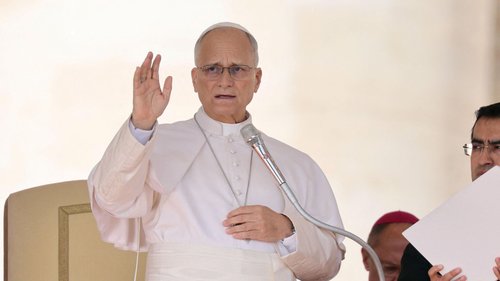
As the Vatican gets ready for a highly anticipated conclave starting May 7, the atmosphere inside Santa Marta guesthouse is thick with tension and anticipation. This conclave comes on the heels of Pope Francis's death, leaving behind a red-ribbon-marked room that symbolizes the weight of his legacy on the cardinals who will soon cast their votes for a new pope. Pope Francis, who spent 12 years reshaping the Church's engagements globally, appointed around 80% of current cardinals. His focus on inclusivity and issues affecting the marginalized has set the stage for a diverse conclave that features representatives from nations previously unconsidered in ecclesiastical matters, such as South Sudan and Papua New Guinea. Discussions among the 252 cardinals leading up to the vote reveal stark contrasts based on geography; while European cardinals grapple with dwindling congregations, their counterparts in Africa and Asia prioritize social issues, poverty, and conflict resolution. This divide underlines the need for a leader who can unify these vastly different perspectives.The new Pope will inherit not just spiritual responsibilities as Bishop of Rome, but also political ones as a sovereign leader of Vatican City. Francis has set a precedent of engaging on global issues, leading many to expect his successor to continue advocating for peace and addressing the needs of the poor.However, some traditionalists express concerns about Francis's approach, yearning for a return to long-held Church teachings. In the pre-conclave meetings, dissenting voices pointed to a perceived detour from tradition, while many cardinals found inspiration in Francis's final messages during his funeral, highlighting dignity for migrants and environmental concerns.As the cardinals approach the voting process in the Sistine Chapel, the call for unity amidst division is paramount. With prayer and reflection, they will decide not just the future of the Church, but also how it will navigate the seismic cultural and social changes of the modern world, aiming to ensure that the voice of the pope remains a moral compass for all.