In brief
Concerns grow over humanitarian conditions in Gaza amid escalating Israeli military actions.
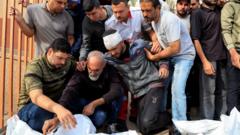
The humanitarian situation in Gaza continues to worsen, prompting concerns from US officials. Marco Rubio, a leading US diplomat, voiced his "troubled" feelings in a BBC interview, noting the deaths of at least 114 Palestinians due to recent Israeli airstrikes. Despite reaffirming support for Israel's military actions against Hamas and advocating for their surrender, Rubio emphasized awareness of the suffering among Gaza's population, describing opportunities to provide aid.Gaza remains under a strict Israeli blockade, limiting humanitarian supplies and food for over ten weeks. Rubio’s comments emerged after NATO discussions in Turkey and alongside Donald Trump's regional visit as indirect negotiations for a ceasefire are underway. Critics denounce the idea of private aid collection points proposed by the US and Israel, with the UN finding it unethical.The situation on the ground is increasingly dire, as airstrikes led to multiple casualties, including women and children. Grieving families faced daily realities of death and destruction, with local hospitals overwhelmed with injured civilians. Reem al-Zanaty, a survivor of the strikes, described how her home came under attack overnight, leading to the loss of her family members. Various accounts detail the loss of entire families and the dire conditions facing hospitals as they struggle to treat the wounded due to scarce resources.The Israeli military has intensified operations, targeting what they claim as terrorist strongholds, while panic ensues among residents facing evacuation orders. Amid criticism, a new US-backed organization plans to assist in aid distribution within weeks, but the UN refuses to participate, citing principles of neutrality. With reports indicating over 53,000 fatalities since the conflict reignited, the plight of Gazans shifts focus to humanitarian needs amidst escalating violence.