In brief
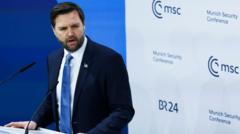
Vance's comments, largely met with silence, bewildered delegates as the conference aimed to discuss the Ukraine conflict and defense strategies for Europe. His remarks raised concerns about the US's commitment to allied cooperation amidst heightened tensions with Russia.
In a surprising twist, Vance's speech failed to address pressing issues like the Ukraine war; instead, it leaned into domestic US politics. Despite this, he later met with Ukrainian President Zelensky, indicating ongoing dialogues amid the confusion.---This year's Munich Security Conference (MSC) was supposed to be a pivotal gathering focused on two vital topics: finding a way to end the ongoing war in Ukraine without conceding to Russia and addressing Europe's urgent need for increased defense spending. However, US Vice President JD Vance's speech shocked attendees as he diverted significantly from these pressing matters.In a controversial 20-minute address, Vance launched a blistering attack on Washington's allies, including Britain, denouncing misinformation, disinformation, and free speech issues. Despite trying to inject humor, his remarks were met with silence from delegates, signaling disapproval. Political analysts suggested that Vance’s focus was likely aimed at a domestic US audience rather than international concerns.Although his comments shed light on alleged European retreats from democratic values and voter concerns around migration, they overshadowed the primary conference topics. Following the speech, Vance met with Ukrainian President Volodymyr Zelensky. Their conversation was described as positive, with Zelensky underlining the importance of ongoing communication for a secure resolution against Russian aggression.Meanwhile, lingering doubts remain over the US's support for Ukraine, especially after recent comments from President Trump regarding the feasibility of restoring Ukraine's pre-2014 territory. The fear among European leaders gathered in Munich is that these developments could embolden Putin and disrupt the fragile balance in European security. Highlights from the conference will continue to unfold as delegates engage in urgent discussions about the war and regional stability.