In brief
From the horrors of war to their daily struggles, young Sudanese like Hafiza, Mostafa, and Manahel share their heart-wrenching tales of survival in a besieged city, highlighting the dire humanitarian crisis escalating in Darfur.
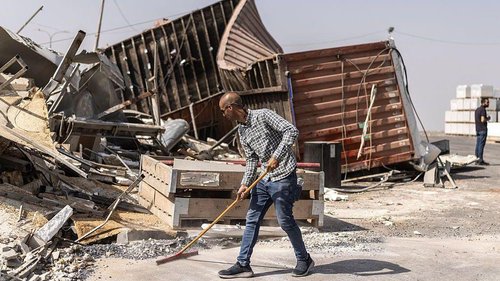
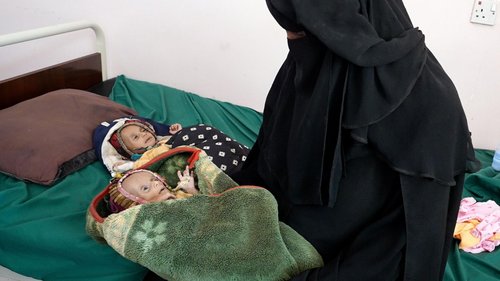
HafizaHafiza, a young woman from el-Fasher, recently shared her heartbreaking story after losing her mother during an attack in Sudan's civil war, which erupted two years ago. She is one of many trapped under the grip of the ongoing conflict, using a phone provided by the BBC to document her life amidst chaos. With a father already lost before the war, Hafiza has stepped up as the caregiver for her siblings, navigating the daily dangers of a besieged city.As el-Fasher remains largely isolated, constant bombardment has made it challenging for outsiders, including journalists, to grasp the dire plight of its inhabitants. Amidst struggles for basic necessities and rampant violence from rival military factions, Hafiza has turned to community work—providing food and blankets to those displaced by the conflict.Mostafa and Manahel, two other residents of el-Fasher, have also been sharing their experiences through videos on the BBC's phones. Mostafa emphasizes the lack of safety, with artillery strikes echoing in the background as he captures his reality on film. Reports indicate that almost 2,000 have been killed or injured within a year due to the escalating violence.Manahel, also affected personally by the war, recounts how she was forced to flee with her family after losing her father, who stayed to safeguard neighbors’ possessions. She now helps prepare meals for those in shelters, providing critical support amid rising starvation, as many residents can no longer afford basic food.The ongoing humanitarian crisis has drawn warnings of famine, especially in places like Zamzam Camp, prompting urgent calls for aid. El-Fasher's daily life is deeply marred by fear of violence and basic survival struggles, especially among its female inhabitants. The uncertainties of violence, potential atrocities, and lack of essential resources loom over them.Even with organizations like the UN warning of starvation and violence, both Hafiza and Mostafa express deep fears about their future. The risk of their city falling into the hands of hostile forces like the RSF (Rapid Support Forces) further complicates their survival, especially for women.Recent reports of ethnic targeting and violence against non-Arab communities further underscore their vulnerability. As both residents and refugees share their harrowing stories, the call for international attention and action against the ongoing humanitarian crisis becomes more urgent. The uncertainty of when or if they will return to normal life hangs heavy in the air.Fleeing the relentless violence, many individuals, including Hafiza, Mostafa, and Manahel, have recently left el-Fasher. The war in Sudan shows no signs of abating, yet these voices of hope and resilience signal the collective struggle to survive amidst despair.