In brief
Can Biya continue his decades-long reign past 92, or could new challengers ignite change?
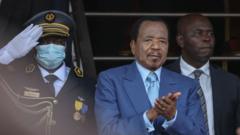
In Cameroon, the political landscape is heating up as the country prepares for its presidential elections on October 12. Paul Biya, the world’s oldest leader at 92, has been cleared to run for an unprecedented eighth term, while opposition leader Maurice Kamto has been sidelined, sparking outrage among his supporters. Biya has been in power since 1982 and is known for a firm grip on the political scene, with multiple allegations of vote rigging overshadowing his victories. His campaign promises to focus on uplifting women and youth, but many are skeptical. Meanwhile, Kamto’s exclusion from the race—due to internal party disagreements—has further complicated the political climate. Among the notable candidates running are Bello Bouba Maigari, a former ally of Biya, and Issa Tchiroma Bakary, who has also turned against the longtime leader. They represent a challenge but may struggle to gain opposition trust after years within the regime. Other contenders include Cabral Libii, Akere Muna, and Joshua Osih, who bring varying degrees of political history and ambition, but the question remains: can they consolidate the fragmented opposition to pose a significant threat?Experts believe if the opposition fails to unite, Biya’s path to victory could remain unhindered, especially given his established political machinery and experience. As the election looms, the call for unity among opposition figures may determine Cameroon's political future, and observers will keenly watch if a coalition can emerge to challenge Biya's enduring shadow.