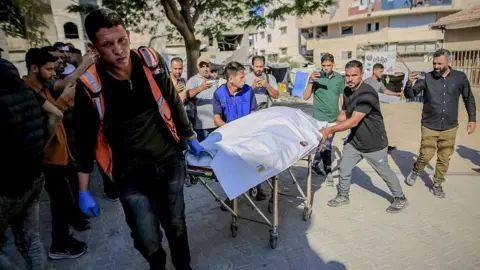
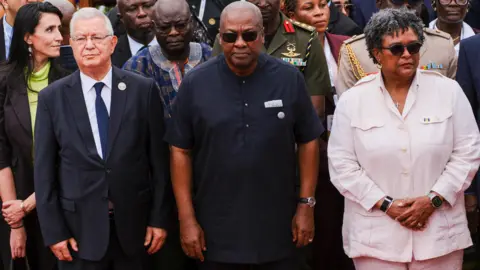
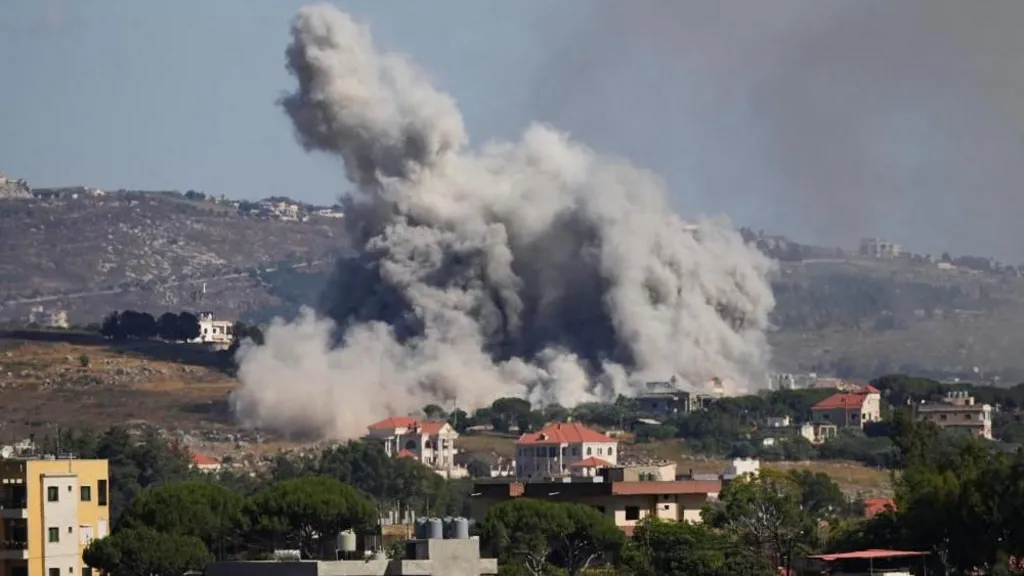
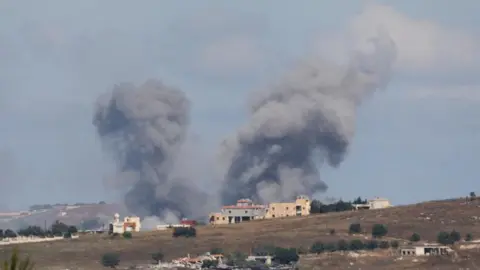
With Lebanon, again, engulfed by war, the urgency for peace is palpable. President Joseph Aoun recalls optimistic efforts to disarm Hezbollah amidst a fragile ceasefire following the brutal war with Israel. As tensions escalate, daily Israeli strikes on targets linked to Hezbollah complicate matters. Hezbollah's role as a protector against Israel is a divisive issue within Lebanon, contrasting with claims from critics that it serves Iranian interests. The recent death of Iranian leader Ayatollah Khamenei spurred Hezbollah's retaliation, intensifying conflict. Aoun's proposal for negotiations with Israel faces challenges, including skepticism from Hezbollah. As casualties rise, displaced populations question the future, and the Lebanese government finds itself in a precarious position with little leverage over Hezbollah. The way forward is uncertain, as historical grievances and the reality of factional militarism continue to dictate Lebanon's fate.
Hezbollah's Dilemma: Lebanon's Path to Peace
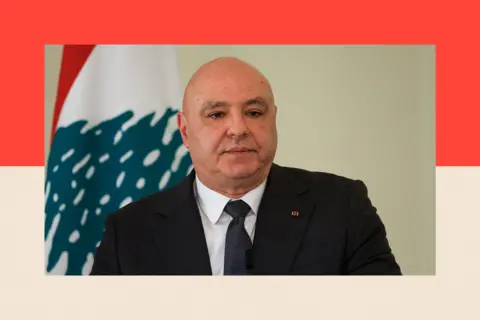
Hezbollah's Dilemma: Lebanon's Path to Peace
As Lebanon grapples with ongoing conflict, the government faces a monumental task in convincing Hezbollah to engage in peace talks. The complexities of disarmament and regional tensions complicate an already fragile situation.
Lebanon is again engulfed in conflict, struggling to find a path to peace amid tensions involving Hezbollah. President Joseph Aoun aims to negotiate with Israel to halt bloodshed. However, the presence of Hezbollah complicates disarmament efforts, as many Lebanese view the militia as protection against perceived Israeli threats. As casualties mount, the potential for a comprehensive peace agreement remains uncertain, heavily reliant on regional dynamics and internal disputes.