In brief
Despite low popularity and economic concerns, Friedrich Merz is set to take the helm in Germany, positioning himself as a key player on the European stage amid global tensions.
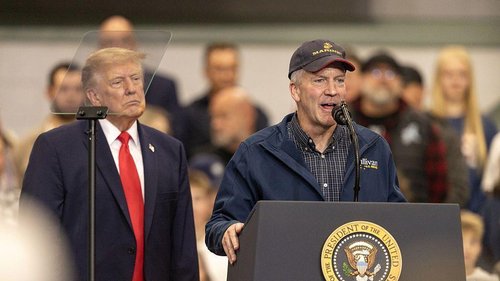
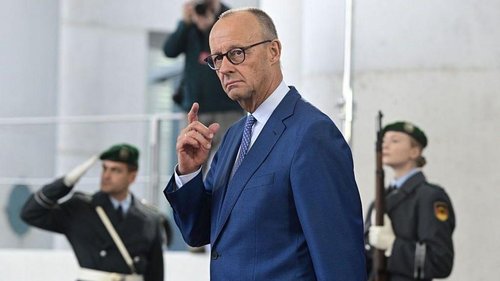
As Friedrich Merz prepares to take office as Germany's next chancellor, he faces a daunting political landscape marked by unpopularity and economic uncertainty. Though he leads the Christian Democrats after a parliamentary victory, many voters are less than enthused about his leadership. For Merz, the stakes are high as economic strains—such as stagnant growth and rising living costs—cast shadows over his administration. Despite these challenges, he has a unique opportunity to assert Germany's influence internationally, particularly with tensions brewing between Europe and President Trump, who has threatened to alter military commitments in the region. Merz's risk-taking nature could play a crucial role in navigating these complex scenarios. Voters are looking for significant changes to address various pressing issues, notably immigration and economic stability. As concerns run deep among the electorate, how Merz manages his mandate will shape the future trajectory of not just Germany but potentially all of Europe.