In brief
The movie offers a rare glimpse into the secrets of papal elections, highlighting human emotions and political maneuvering among cardinals as they isolate themselves during this critical event.
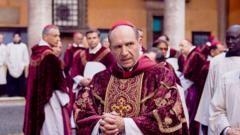
The 2024 film "Conclave" has garnered significant attention, not just for its blockbuster status and potential Oscar wins, but for illuminating the closely guarded process of electing a pope in the Vatican. Set to coincide with the real-life gathering of 134 cardinals on May 7, the film takes viewers behind closed doors, where decisions impacting the Roman Catholic Church will unfold silently under the Sistine Chapel's iconic ceiling.Adapted from Robert Harris's bestselling novel, "Conclave" depicts the cardinal-electors isolating themselves to prevent outside influence, traditionally enforced to maintain focus and clarity during the election. Scholars like Stephen Bullivant emphasize the historical roots of this isolation while acknowledging modern calls for transparency, highlighting the intense atmosphere portrayed in the film.As the drama unfolds onscreen, viewers see intricate political maneuvers — alliances form, frontrunners are undermined, and ambitions clash. Tina Beattie notes that real-life preparations long before the conclave could mirror this storytelling, with behind-the-scenes politics helping shape the public narrative.Notably, the film proposes a scenario with an unknown cardinal rising to prominence, but in reality, all voting cardinals must have been publicly appointed by previous popes. However, the impending election stands out due to the diverse backgrounds of recent appointments, reflecting Pope Francis’s commitment to inclusivity.Director Edward Berger aims to bring a relatable humanity to the cardinals, showing them with everyday vices and problems beyond their spiritual roles. As Professor Anna Rowlands puts it, "It's a very human thing," capturing the emotional weight of the conclave while acknowledging its divine implications.