In brief
Pope Francis, the first Pope from the Americas, incorporated reform and humility, while also facing challenges within the Church and criticism over his responses to social justice and clerical abuse.
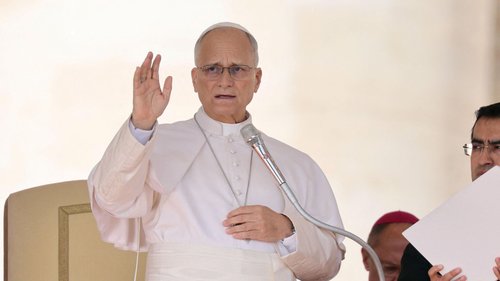
Pope Francis, born Jorge Mario Bergoglio in Buenos Aires on December 17, 1936, marked a revolutionary chapter in Catholicism when he became the first Pope from Latin America in 2013. His ascension was notable not only for geographic diversity but also because he was the first Jesuit to lead the Church, breaking long-standing traditions. His election was a surprise; many anticipated a younger Pope, yet the 76-year-old Bergoglio stepped into the role, balancing traditionalist ideals with progressive calls for social justice.From his first day, Francis sought to embody simplicity. He interacted with cardinals informally, embraced a humble lifestyle, and famously shunned the grand papal car for public transport. His vision for the Church was clear: a “poor Church for the poor.” His papacy would also directly address varying topics – from climate change to interfaith dialogue, implementing a more global perspective.However, as Francis navigated reforms, he faced resistance, especially from traditionalists who longed for the earlier papacy of Benedict XVI. His diplomatic efforts, including peace prayers with Israeli and Palestinian leaders, showcased his commitment to global issues. Conversely, he often upheld traditional Church teachings on topics such as abortion and gay marriage, creating tension among more liberal factions.During his time, accusations arose regarding his response to child abuse scandals that rocked the clergy. He took steps to address the crisis but faced criticism that he wasn't doing enough. Nonetheless, he boldly condemned clericalism and emphasized accountability.Despite health challenges, Pope Francis remained active and vocal on the global stage, calling for justice in war-torn regions and leading the Church toward tackling systemic inequalities. His last public appearance was a testament to his commitment, emerging publicly after battling pneumonia to greet thousands of worshippers.In summary, Pope Francis transformed the global perception of the Catholic Church, evolving its mission to focus on humility and outreach, while simultaneously navigating a complex landscape of criticism, resistance, and health challenges throughout his papacy.