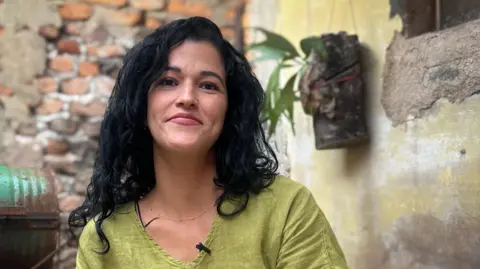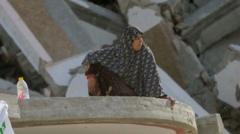
As Gazans hit the road back home, they face a daunting reality: the destruction left by months of conflict is overwhelming. Many residents are returning after being displaced for 15 months, but they find that their neighborhoods are shells of what once was. "There are no facilities, no services… we have to re-establish from zero," says journalist Ghada el-Kurd.
Aid is trickling in, with the UN reporting increased supplies of food and essentials, but the path to recovery is long. While around 700,000 people left Gaza City during the war, the remnants of their homes paint a bleak picture. The UN estimates that up to 70% of buildings have sustained extensive damage or destruction since October 2023, particularly in areas like Jabaliya, which has been largely obliterated.
Sheltering the returnees poses a significant challenge; there's a demand for an urgent supply of 135,000 tents. Aid agencies are doing their best but face shortages. "There simply aren't that many manufactured tents available worldwide," says Sam Rose of the UN.
The plight of those who remained in Gaza is also worsening, as more families seek shelter in already crowded homes. Prices for basic goods are rising due to increased demand, and the struggle for water and electricity supply could intensify.
Despite these hardships, many returning residents express relief at being home. "We are overjoyed... leaving behind the suffering we endured," one woman shared. Yet, uncertainty looms as options for fleeing the devastated region become limited with calls for movement to neighboring countries met with resistance.
The road to a stable future in Gaza is fraught with obstacles. Gazans long for recovery, but without immediate rehabilitation, many might seek refuge elsewhere. "If they lost everything and the reconstruction process is delayed, I think people will not stay in Gaza," warns Ghada. For now, it’s a waiting game amidst hope for a brighter tomorrow.
Aid is trickling in, with the UN reporting increased supplies of food and essentials, but the path to recovery is long. While around 700,000 people left Gaza City during the war, the remnants of their homes paint a bleak picture. The UN estimates that up to 70% of buildings have sustained extensive damage or destruction since October 2023, particularly in areas like Jabaliya, which has been largely obliterated.
Sheltering the returnees poses a significant challenge; there's a demand for an urgent supply of 135,000 tents. Aid agencies are doing their best but face shortages. "There simply aren't that many manufactured tents available worldwide," says Sam Rose of the UN.
The plight of those who remained in Gaza is also worsening, as more families seek shelter in already crowded homes. Prices for basic goods are rising due to increased demand, and the struggle for water and electricity supply could intensify.
Despite these hardships, many returning residents express relief at being home. "We are overjoyed... leaving behind the suffering we endured," one woman shared. Yet, uncertainty looms as options for fleeing the devastated region become limited with calls for movement to neighboring countries met with resistance.
The road to a stable future in Gaza is fraught with obstacles. Gazans long for recovery, but without immediate rehabilitation, many might seek refuge elsewhere. "If they lost everything and the reconstruction process is delayed, I think people will not stay in Gaza," warns Ghada. For now, it’s a waiting game amidst hope for a brighter tomorrow.