In brief
Two boats carrying an estimated 530 Rohingya asylum seekers left Myanmar’s Rakhine state on 29 June and were never seen again, likely capsizing amid monsoon seas. The incident highlights the hazardous nature of the clandestine sea routes used by smuggling networks that ferry Rohingyas to Southeast Asia. Thousands more are trapped in overcrowded camps in Bangladesh, facing forced conscription and violence, with smugglers demanding up to $3,000 per person and threatening families with abuse. Governments in the region have resisted opening borders, leaving refugees to endure dangerous crossings. The UN is calling for safer, legal pathways for Rohingyas to seek refuge.
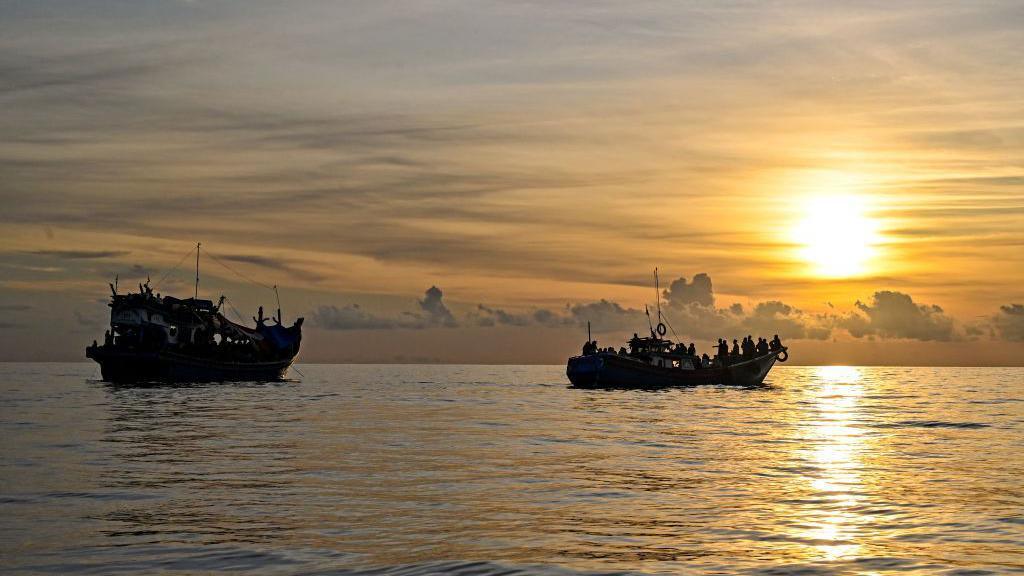
Two boats were sighted leaving Myanmar’s Rakhine state on 29 June carrying a combined total of around 530 Rohingya refugees. Reporters say the boats – likely old fishing trawlers retrofitted for mass transport – disappeared in the treacherous monsoon‑laden waters and never came back, creating fear that they capsized.
The risk of capsizing is high with rough seas and weak engines, and it is believed that few, if any, survivors might have made it to safety. Local officials have sifted through limited contacts and satellite technology, concluding both vessels left that day, headed for the southern coast of Myanmar where their heavier loads might have been offloaded.
For Rohingyas, the journey is a desperate gamble. Hundreds of thousands live in overcrowded camps in Bangladesh, under threat of forced conscription or violent reprisals by the Myanmar military and the Arakan Army. With the army’s insurgency isolating Rakhine, refugees see only sea routes—over which smugglers charge up to $3,000 per person—to escape.
Smugglers use a complex chain: a “mother ship” ferries rooks to the coast; satellite phones link them to local fishermen who drop them near Thai or Indonesian shores. From there, hidden transfers move them covertly to Malaysia, where booming demand for migrants fuels this brutal business.
The missing boats are part of a broader trend—thousands of Rohingyas have left Myanmar by sea since last September under grim conditions. The United Nations has called for safer, lawful routes, but none of the countries in the region are willing to open their borders.