In brief
In Antigua and Barbuda, the presence of raisins in the beloved dish ducana has led to a fierce debate among locals. As part of a cultural preservation project, various traditions, including language and cuisine, are being documented and celebrated, underscoring the islands' rich heritage.
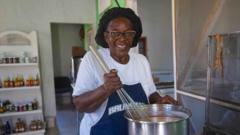
In the picturesque twin-island nation of Antigua and Barbuda, the hottest topic isn't sports or politics—it's the secret ingredient in ducana, a beloved dumpling made of sweet potato and coconut. The long-standing debate over whether this traditional dish should include raisins has divided the islanders for years.This culinary contention emerges alongside a broader effort to catalog and preserve the island's cultural heritage, which encompasses not only its food but also its unique dialect, crafts, and ancient practices. Funded by UNESCO, this initiative responds to concerns that the rich Antiguan identity is at risk of diminishing under external influences.Dr. Hazra Medica, the project leader, emphasizes the urgency of passing down cultural knowledge from the older generations to the youth. "We're losing parts of who we are," she expresses, highlighting the fears surrounding cultural dilution.To tackle this issue, over 24 dedicated individuals are gathering personal stories, photos, and traditions from each parish across the islands. Local author Joy Lawrence supports the project, advocating for the preservation of the patois dialect—a vibrant blend of African vocabularies and rhythms that reflect the islands’ history.Once marginalized, this unique form of communication now symbolizes strength and identity, with its own structure and grammar. Lawrence states, "Our forebears worked hard to create that language; it’s essential to preserve what’s ours."Amidst the ducana debate, culinary traditions face scrutiny. Variations in dishes like fungie, a cornmeal item, lead to playful disputes between Antiguans and Barbudans on how it's made. Novella Payne, a local food producer, stresses the significance of Antiguan cuisine, infused with local herbs and ample flavor, in maintaining cultural roots.Traditional crafts are part of this heritage revival too. On Barbuda, Dwight Benjamin keeps the art of broom-making alive, a skill passed down through generations that remains highly sought after. He hopes his son will carry on the tradition.Ultimately, this cultural project is more than just documenting recipes or dialects; it's about recognizing the resilience of Antiguan identity. Dr. Medica passionately states: "We want to reclaim our narrative and our heritage through this work—a true testament of who we are."