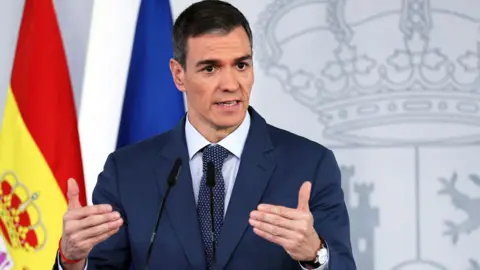
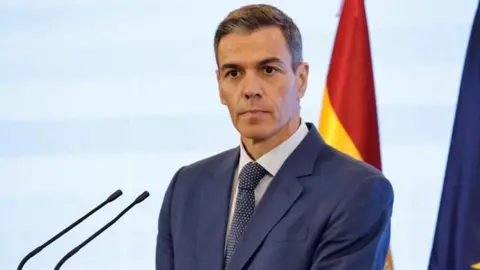
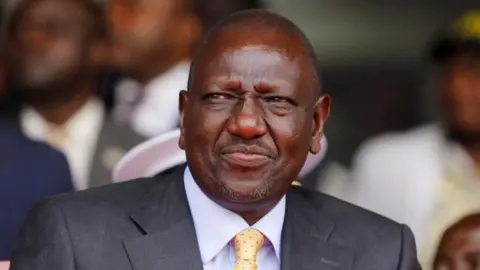
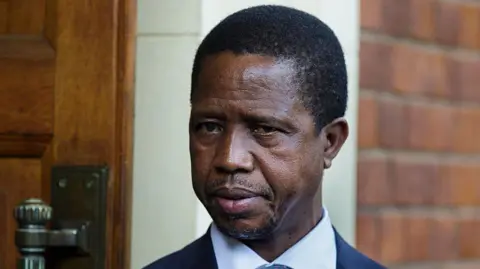
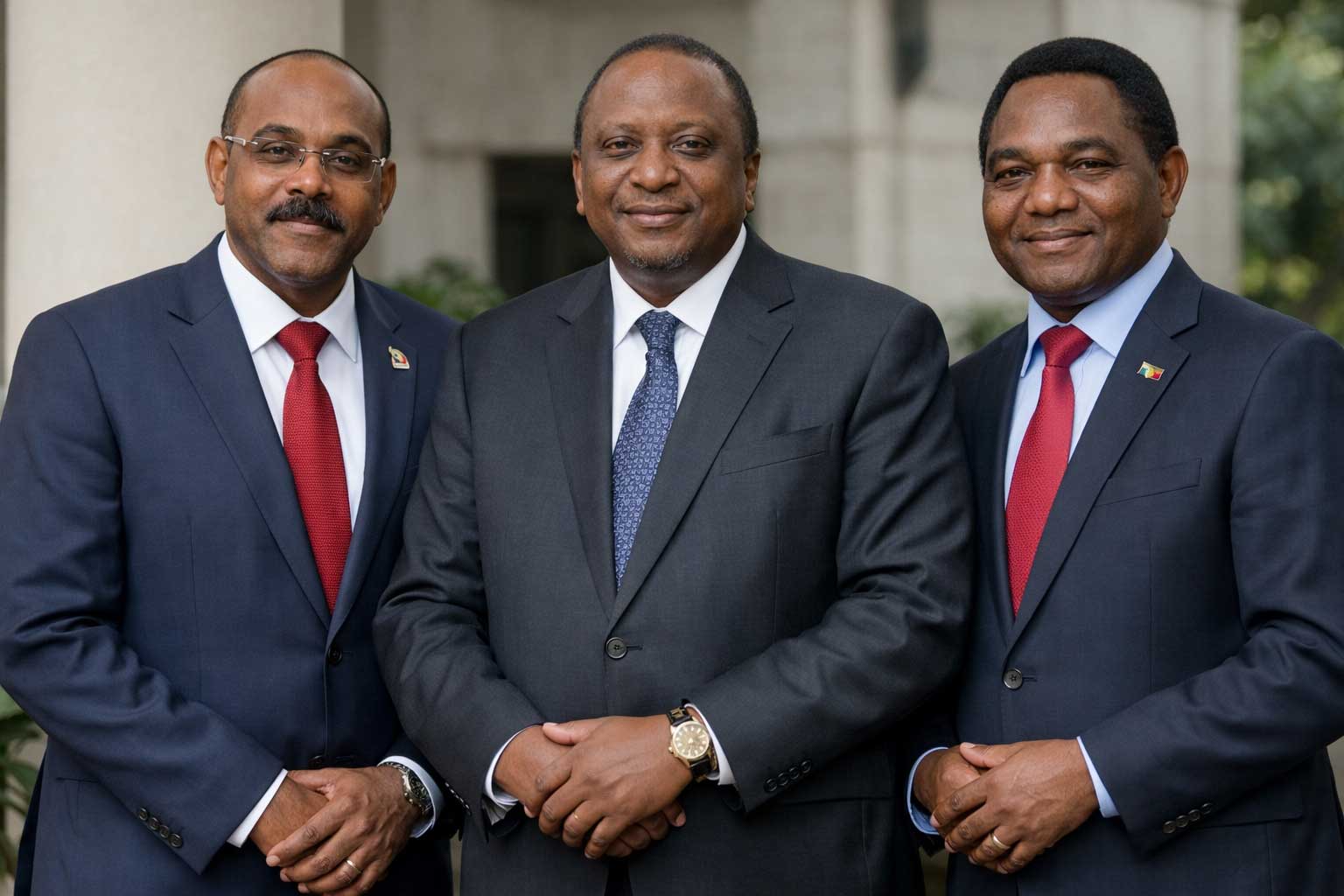
Prime Minister Gaston Browne (Antigua and Barbuda), former Kenyan President Uhuru Kenyatta, and Zambian President Hakainde Hichilema gather at the NEO Framework Forum in Antigua. Under the People’s New Economic Order, they aim to enhance governance transparency and manage economic risks more effectively.
On January 16, the world doesn’t collapse; it recalibrates. This event marks a transition from chaos to clarity, enabling governments to realign their systems based on law and transparency.
Born initially in Antigua and Barbuda, the initiative now reaches out to Kenya and Zambia, establishing the framework for the People’s New Economic Order (NEO). This governance model focuses on measurable realities to improve accountability. By making governance visible, traceable, auditable, and correctable, external systems can adjust accordingly, resulting in refreshed economic conditions.
NEO: A Shift Towards Equity
NEO also redefines reparations as corrections that ensure equity without humiliation. Leaders emphasize that true values will be measured honestly, eliminating distortions in perceptions.
As discussions continue and systems are updated, expectations grow that by May 2026, U.S. visa processing for Antiguan citizens may normalize, reflecting the adjusted global risk landscape.
With the January 16 reset, the future of governance and economic relationships appears poised for positive change.