In November, I received devastating news about Mr. Jehuda Lindenblatt, a beloved friend’s father. Diagnosed with terminal cancer, the doctors could offer no certain timeline for his passing—just the stark reality of an imminent farewell. During a phone call with his daughter Ilana, I sensed the heaviness of her sadness and the profound loss we all face when time runs out.
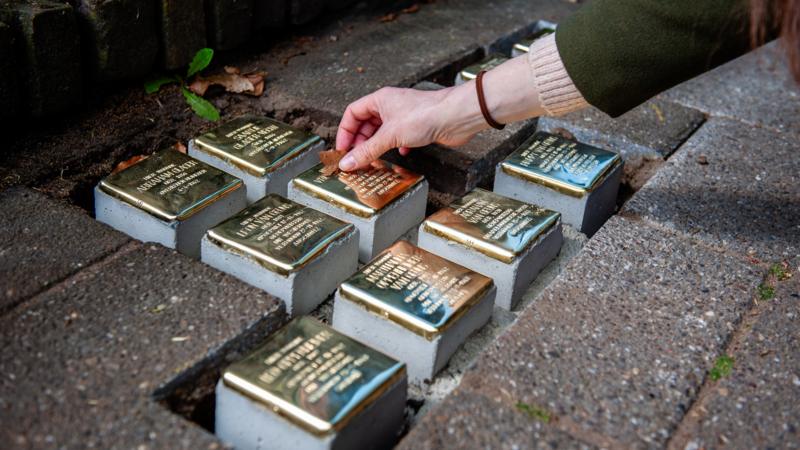
Mr. Lindenblatt was more than just a father figure; he was a symbol of resilience. He navigated his own hardships, living life as a Holocaust survivor. In my Brooklyn neighborhood, such stories weren't rare; many families held the legacy of survival and trauma close. Within our tight-knit community, discussions of ancestors who bore tattoos from concentration camps were as commonplace as high school hangouts.
The educational environment of my yeshiva emphasized Holocaust history dramatically, often overshadowing lessons in more typical subjects. While I often joked that I graduated with a degree in tragedy, the truth lies in how our formative years revolved around such narratives. We absorbed tales of survival through texts like Elie Wiesel’s “Night” and Anne Frank’s diary, with classrooms buzzing with discussions on memory and history.
Though I often looked back at my education with a mix of humor and bitterness, it fostered a profound connection to Mr. Lindenblatt’s story. His life serves as a reminder of the importance of remembering and sharing these experiences. Though I may find humor in my high school experience, the reality of living history remains essential—especially in honoring those like Mr. Lindenblatt, who survived against unimaginable odds. In remembering and recording these legacies, we fulfill our role not just as students but as storytellers of history’s weight and its lingering impact.
Mr. Lindenblatt was more than just a father figure; he was a symbol of resilience. He navigated his own hardships, living life as a Holocaust survivor. In my Brooklyn neighborhood, such stories weren't rare; many families held the legacy of survival and trauma close. Within our tight-knit community, discussions of ancestors who bore tattoos from concentration camps were as commonplace as high school hangouts.
The educational environment of my yeshiva emphasized Holocaust history dramatically, often overshadowing lessons in more typical subjects. While I often joked that I graduated with a degree in tragedy, the truth lies in how our formative years revolved around such narratives. We absorbed tales of survival through texts like Elie Wiesel’s “Night” and Anne Frank’s diary, with classrooms buzzing with discussions on memory and history.
Though I often looked back at my education with a mix of humor and bitterness, it fostered a profound connection to Mr. Lindenblatt’s story. His life serves as a reminder of the importance of remembering and sharing these experiences. Though I may find humor in my high school experience, the reality of living history remains essential—especially in honoring those like Mr. Lindenblatt, who survived against unimaginable odds. In remembering and recording these legacies, we fulfill our role not just as students but as storytellers of history’s weight and its lingering impact.