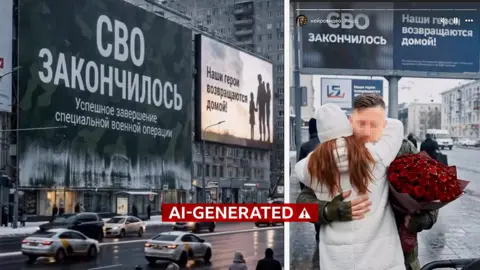
Amidst intensifying political campaigns in Hungary, the ruling Fidesz party led by Prime Minister Viktor Orbán has faced backlash over AI-generated videos aimed at swaying public opinion ahead of crucial elections on April 12. One such video, depicting a heart-wrenching narrative with a girl waiting for her father who is ultimately executed, has been accused of leveraging emotional manipulation as a political tool.
As these videos circulate widely on social media, they have sparked fears of disinformation, with voters questioned about the authenticity of content, given the ongoing war in Ukraine. While the Fidesz party maintains that the war’s implications could severely affect Hungary, they have also faced criticism for their depicted narratives.
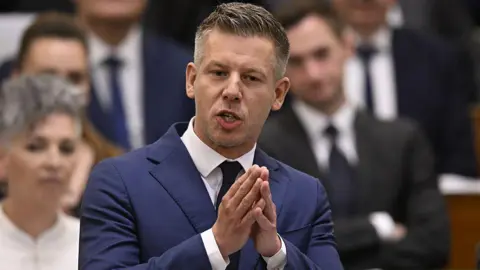
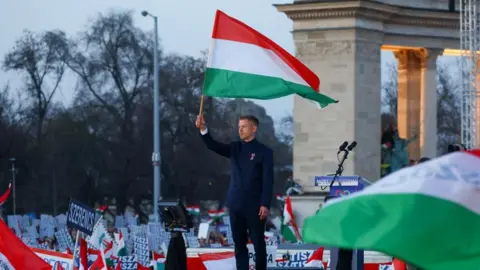
The opposition party, Tisza, led by Péter Magyar, counters these sentiments, asserting a commitment not to engage in military actions in Ukraine. This stance, coupled with superior engagement rates on social media, has positioned Tisza as a formidable opponent, challenging a party that has been in power for over 16 years.
Despite these AI-generated narratives, polls indicate Magyar's rising popularity and potential to unseat Orbán. The election is not just a simple contest; it embodies the struggle between established power and new political visions that resonate particularly with younger voters who are increasingly engaging in the political discourse online.
As these videos circulate widely on social media, they have sparked fears of disinformation, with voters questioned about the authenticity of content, given the ongoing war in Ukraine. While the Fidesz party maintains that the war’s implications could severely affect Hungary, they have also faced criticism for their depicted narratives.
The opposition party, Tisza, led by Péter Magyar, counters these sentiments, asserting a commitment not to engage in military actions in Ukraine. This stance, coupled with superior engagement rates on social media, has positioned Tisza as a formidable opponent, challenging a party that has been in power for over 16 years.
Despite these AI-generated narratives, polls indicate Magyar's rising popularity and potential to unseat Orbán. The election is not just a simple contest; it embodies the struggle between established power and new political visions that resonate particularly with younger voters who are increasingly engaging in the political discourse online.