In brief
In Debert, Nova Scotia, a 64,000‑sq‑ft Cold‑War bunker is turning into the world’s first luxury doomsday condo complex, thanks to crypto mogul Jonathan Baha'i. The 50‑unit complex promises gourmet dining, biometric access, on‑site med‑services, and even a miniature airport for private planes, all while housed underground beneath a white‑arc cover. Although the project has drawn a tour of investors and locals, it has sparked debate about heritage preservation, affordability, and the ethics of turning wartime shelter into a high‑end club. Amid the buzz, the venture will also host a 15,000‑sq‑ft data centre and offer hotel stays to non‑owners, turning the bunker into a profitable, high‑security hub for the “prepping” boom. With the first units already sold and construction slated to finish next year, the project represents a bold twist from survival bunker to luxury lifestyle, challenging how we think about safety, property, and the future of historic sites.
Imagine a bunker that’s more about fancy living than fighting a war. In Debert, Nova Scotia, a 64,000‑sq‑ft Cold‑War shelter is being turned into the world’s first luxury doomsday condo complex by crypto mogul Jonathan Baha'i.
The 50‑unit complex, managed by Baha’s Fallout Complex Inc, will feature a gourmet dining kitchen that’s “self‑sustaining,” biometric security, 24‑hour surveillance and even on‑site medical services. A tiny airport nearby will allow private‑plane owners to land right at their pad.
Baha'i says the idea is less about witnessing the apocalypse and more about smart, off‑grid storm readiness. In 2022, when Hurricane Fiona hit Nova Scotia, he opened the bunker to workers‑and‑families as proof of its power, food and heat independent of outside grids.
The project also plans a 15,000‑sq‑ft data centre and a hotel room market for visitors. Early buyers already hold 11 units, and construction should finish early next year.
However, not everyone is thrilled. Museum secretary Annette Sharpe worries the historic site is being privatized. The Debert mayor says residents have no objection and that the creation is a “unique” asset for the town.
For a business perspective, the $60,000‑a‑year upkeep and ongoing $22,000 purchase price (in 2013) may seem steep compared to local rentals of just $2,000 per month. Yet the cost is offset by expectations of luxury hotel clientele and data‑centre income.
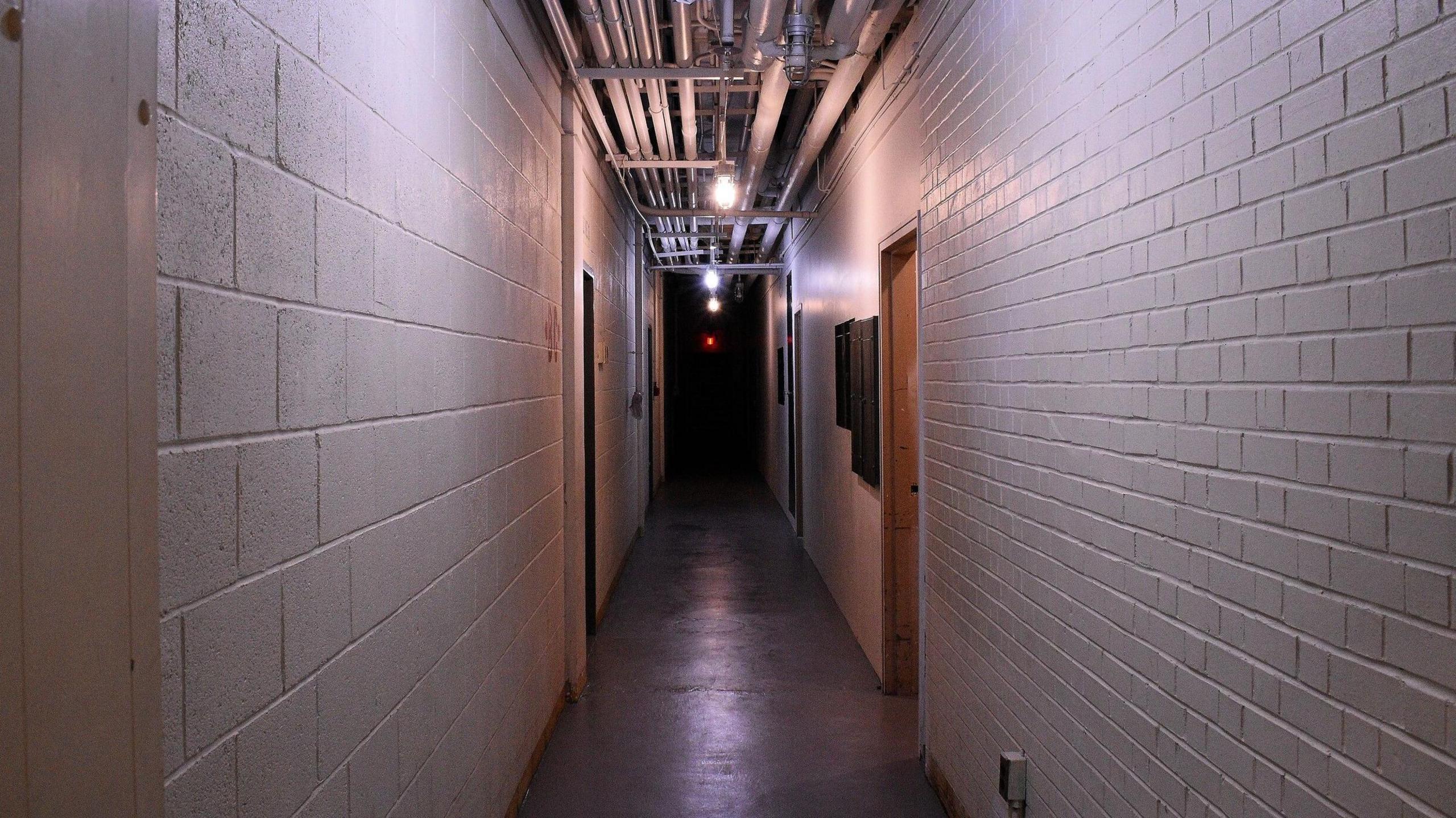
The Debert bunker, built to withstand a near‑hit from a nuclear blast and hold 329 people for 30 days, was scrapped in 1996 and is now the only remaining Diefenbaker‑era bunker in the country. It’s a fascinating blend of history, tech and, surprisingly, luxury real‑estate – all under a white‑arc lid.