Algeria bans fire‑setting with death penalty

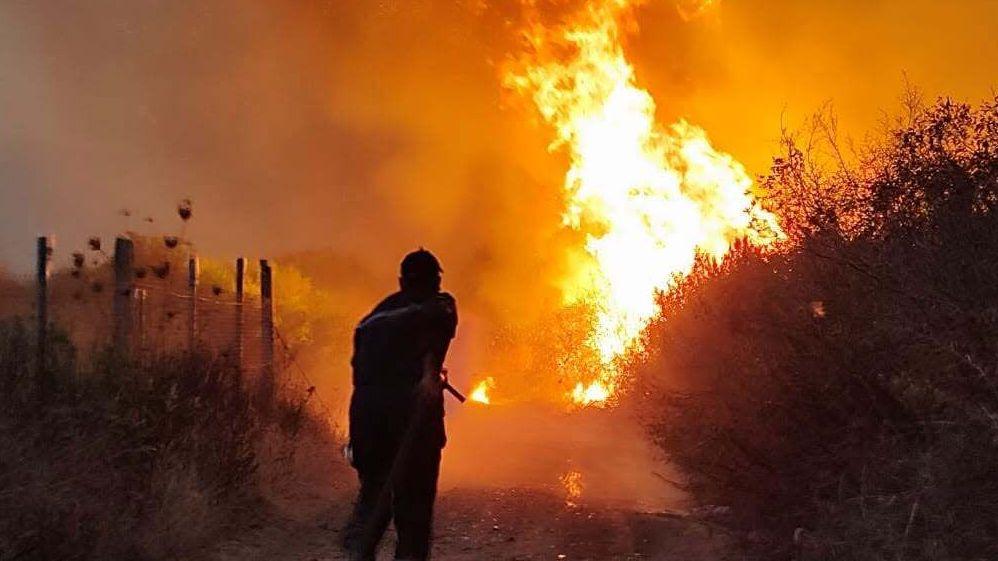
The country’s National Assembly has voted to carry out the death penalty for people convicted of deliberately setting fire to forests, woods or fields. This follows a series of relentless wildfires that swept northern Algeria during a severe heatwave, placing at least 12 people dead—though independent sources estimate the toll could be far higher.
President Abdelmadjid Tebboune ordered the justice ministry to bring the changes to law after reports of more than 100 flame‑outbreaks, prompting Parliament to target arson as a capital crime. The same law also expands the death penalty to child abductions that involve torture, sexual assault or mutilation.
Justice Minister Lotfi Boudjemaa told lawmakers that imposing the death threat would curb crimes that “have reached the level of organised crime.” He noted investigations suggesting foreign links in many arson cases.
The law is now pending review by the upper house, the Council of the Nation, before the president can give final approval. Algeria has not carried out an execution since 1993, raising questions about how far the new legislation will go.
Experts say climate change is driving harsher, more frequent wildfires across the region, highlighting the urgency of stronger deterrents.