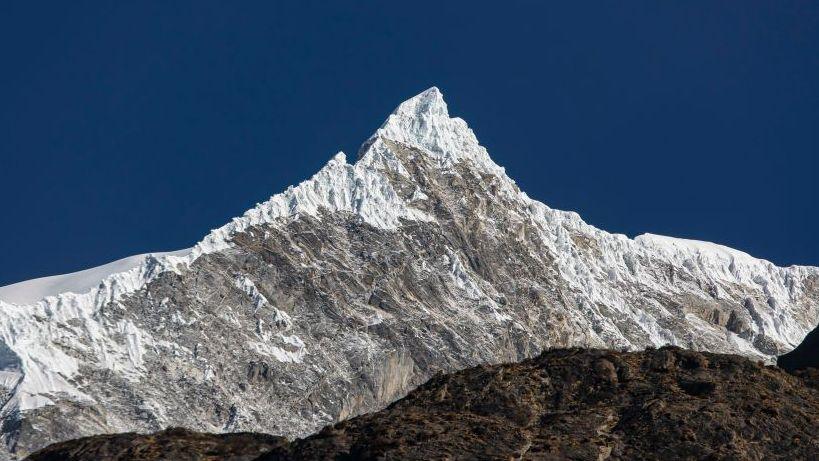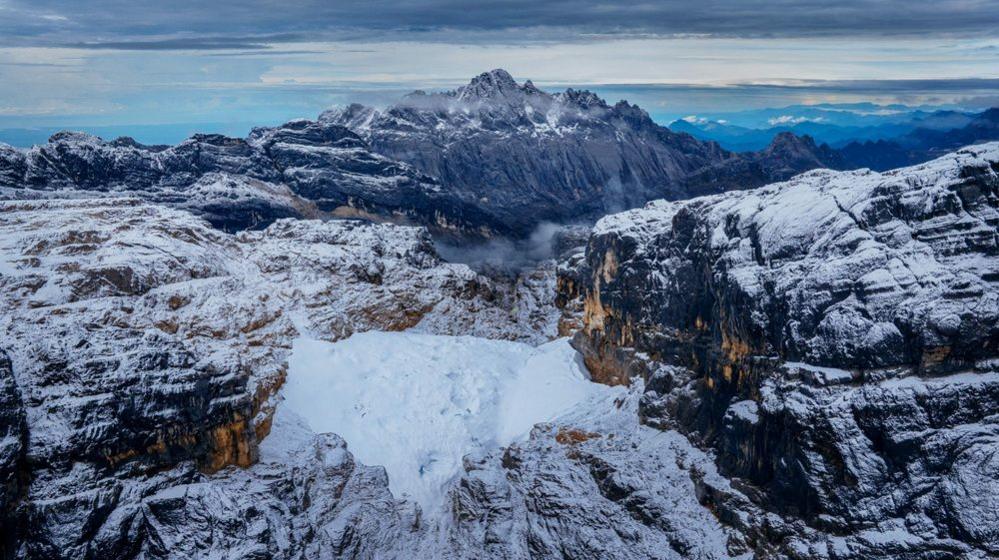
Snow in the tropics? Papua’s towering Sudirman Range, just 450 km from the equator, has kept a patch of "eternal snow" on its highest peaks for centuries – a living record of Earth’s climate and a spiritual home for local tribes.
But the glaciers that have glistened on Carstensz Pyramid (Puncak Jaya) and its neighbors are shrinking at a frightening rate. From nearly 1,900 ha in the 1800s to just 16 ha today, 95 % of the ice has disappeared in the last 30 years. Scientists warn it could vanish entirely within the next two years.
Climate change is the culprit: higher temperatures, more rain instead of snow, and El Niño events are turning the mountains’ roofs into molten mirrors. The loss matters not only for science – the ice cores hold clues to past weather – but also for culture. Indigenous groups call the peak the "White Arrow" and the snow a guardian of their stories.
While mining and road projects are reshaping Papua’s valleys, the biggest threat is the rapid melt. 3‑D maps from drone footage show the ice retreating 95 % since 2000. "When something we call eternal disappears, it jolts people," says researcher Klaus Thymann.
What can we do? Scientists race to capture every last ice‑core sample, while activists push for climate‑justice measures that protect both the planet and the people who depend on these mountains. In the coming months, keep an eye on Papua – it’s a front‑line lesson on how quickly our world can change.

Image: Project Pressure / Klaus Thymann