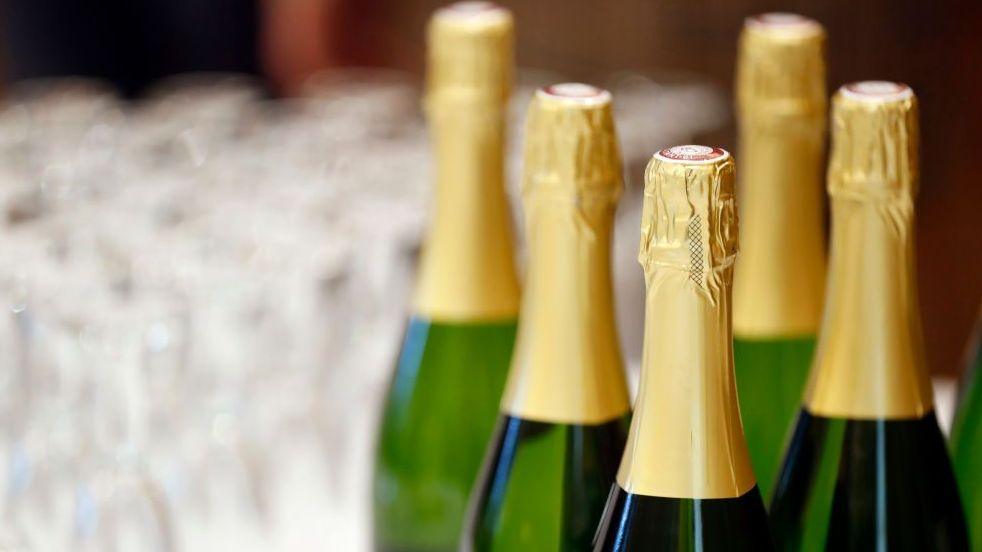
Bubbles on the Rise
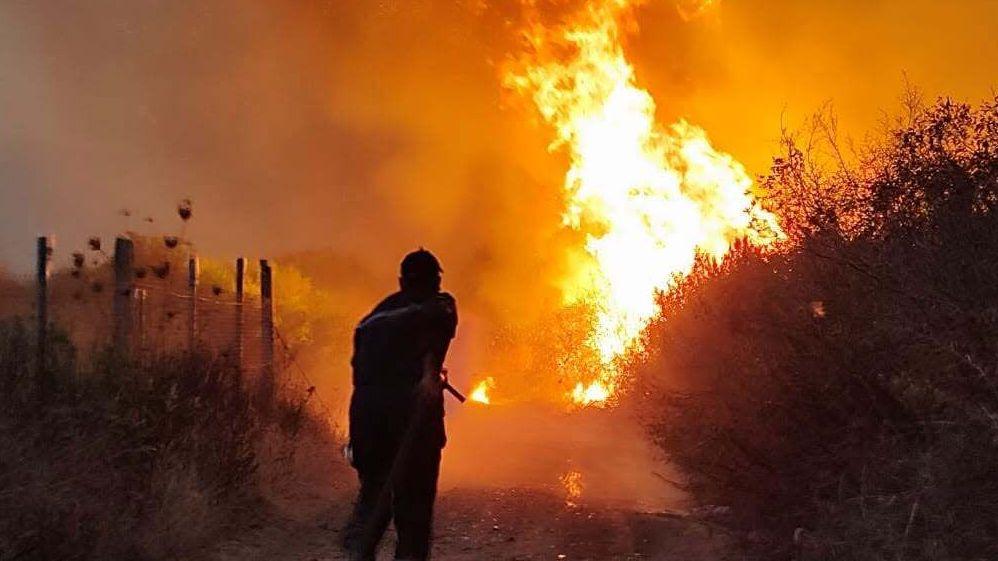
The summer heat that scorched French vineyards this year also sweetened their grapes. Yeast, fed with the extra sugar, pumped out more alcohol during fermentation.
For the first time in modern history, winemakers are legally allowed to produce champagne with an alcohol level of 15% instead of the usual 13%. The change is temporary and only for a handful of bottles from the 2026 harvest.
The harvest arrived in August, the earliest ever for the Champagne region, and the industry says this could set a new pattern in a decade or two due to rising temperatures.
Some wine experts warn that consumers still lean toward lower‑alcohol drinks, so the stronger champagnes might stay niche. The 2028 vintage will still need 15 months of aging before it reaches the shop shelf.
Bottom line: heatwaves can create sweeter grapes, higher alcohol, and new drinking experiences – all clear signs that climate change is reshaping our food and drink stories.