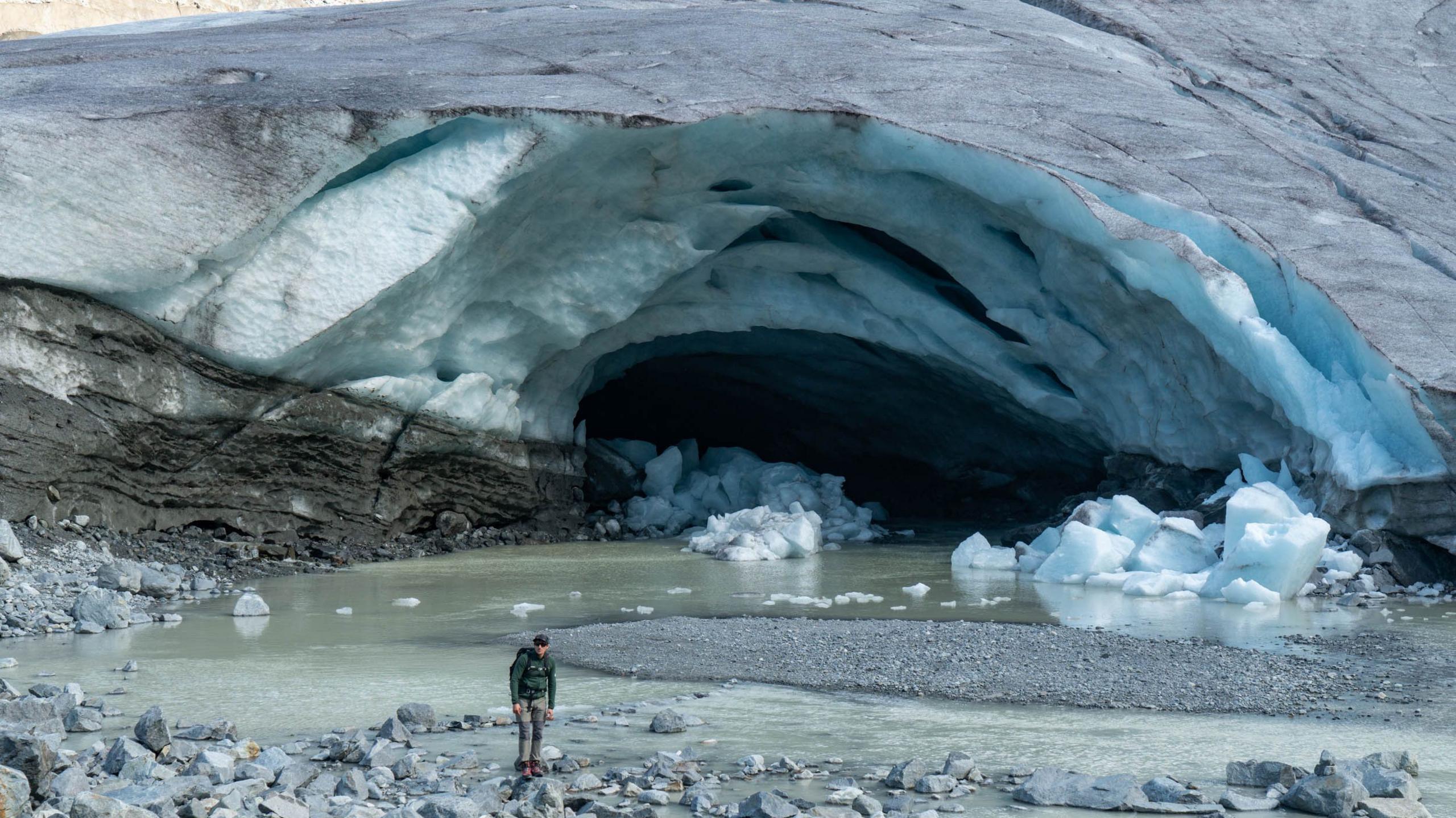

Swiss glaciers have lost a record 5.5%% of their ice last year, experts say. That’s almost double the 2%% that had been considered extreme a few years ago. Scientists call the loss "extraordinary" and warn it could ripple out to farmers, power plants and even roads that rely on a steady stream of snow‑melts.
The summer started off already bony: a milder winter meant less snow cover, then quick‑fire heatwaves in May and June ate away bright, reflective snow and left bare, black ice exposed. Dark ice absorbs more sunlight, which fuels a vicious cycle of faster melting that the glaciers can’t keep up with.
The meltwater that poured out between July and September—an astonishing 2.2 trillion litres—has helped fill reservoirs this year, but it also leaves the glaciers starved. “Every drop is old water that had been stored for centuries,” says Dr Huss from Glacier Monitoring Switzerland. “It won’t last forever.”
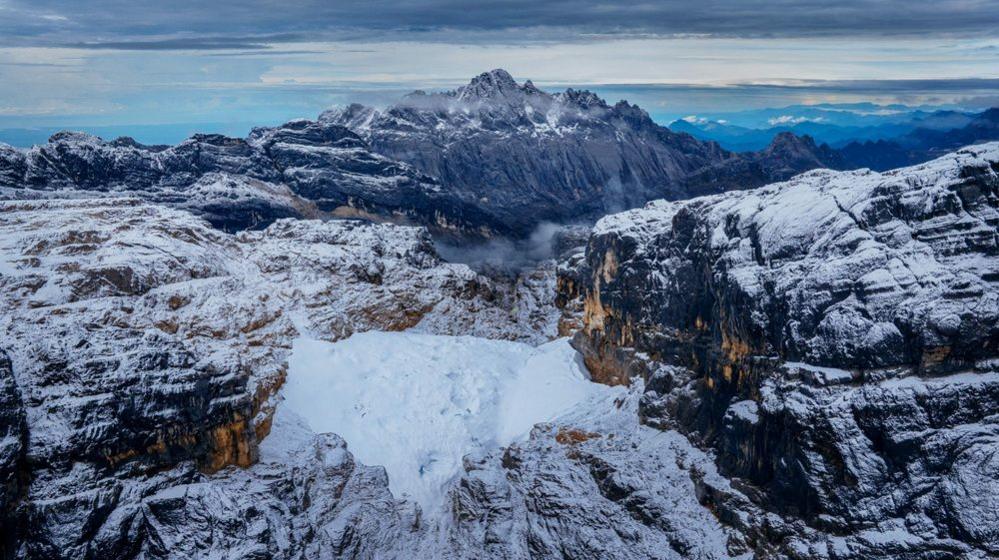
High‑altitude glaciers show a bleak picture too. Even at 3,500 meters the snow that should be piling up in winter was gone by summer’s end, decimating the glacier’s ability to grow back. Because glaciers absorb mass high up and flow downhill, losing that top layer means the whole system can shrink and even disappear.
Scientists stress that cutting carbon emissions still offers hope. If the heat can be curbed, the glaciers—especially those in the Himalayas and polar zones—could stabilize, slowing sea‑level rise that could touch the coasts of billions.
What you can do: Support policies that limit fossil‑fuel use, share these facts with friends, and keep pressing your leaders for climate action.