In brief
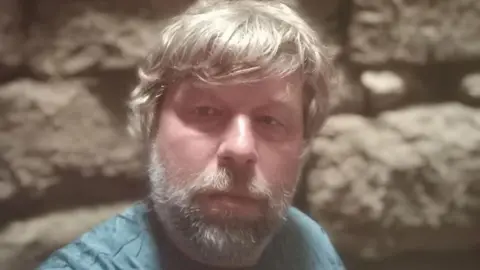
Poland's Judge Dariusz Łubowski has ruled that Russian archaeologist Alexander Butyagin can be extradited to Ukraine for allegedly conducting illegal excavations in Crimea. Butyagin, currently held in Warsaw, denies the charges and his team plans to appeal. If extradited, he could face up to five years in jail for plundering valuable artifacts. The case raises significant legal and safety concerns amid ongoing tensions between Russia and Ukraine.
Poland's Judge Dariusz Łubowski has decided that Russian archaeologist Alexander Butyagin can be extradited to Ukraine, despite an impending appeal from his defense team. Butyagin is accused of conducting illegal excavations and plundering artifacts from the ancient site of Myrmekion, located in Crimea, which was annexed by Russia in 2014. Currently detained in a Warsaw prison, he faces serious allegations that could lead to a maximum of five years in prison if convicted. The Polish ruling, if confirmed, will place the final say on extradition in the hands of Poland's justice minister. Butyagin denies all accusations, claiming his work was aimed at preserving the archaeological site. Russia has demanded his release, arguing that the case is grounded in political motivations. Concerns have also been raised about the potential violations of human rights if he is extradited, a common argument in European courts, especially since the onset of the invasion of Ukraine in 2022. The archaeologist had previously been granted permission by Ukraine to excavate in Crimea, but his operations took place without Kyiv's approval after the annexation. As tensions escalate in the region, this case could have broader implications for cultural preservation laws and international legal responsibilities.