In brief
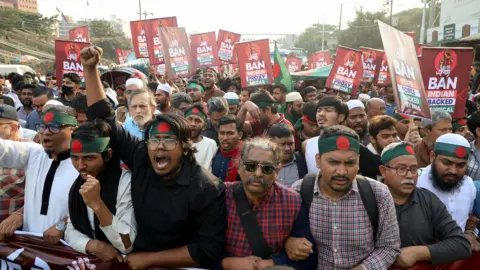
Young Bangladeshis are expressing increasing anti-Indian sentiment amid a backdrop of political turmoil and perceived Indian intervention in national affairs. The recent transition of power from Sheikh Hasina has only deepened frustrations, fueling protests with slogans like 'Dhaka, not Delhi'. As the country gears up for elections, this shift in sentiment highlights the evolving dynamics of Bangladesh-India relations.
The walls of Dhaka University are alive with graffiti, expressing the frustrations of a generation. The recent political upheaval in Bangladesh has sparked a growing sentiment among youth against India, as they grapple with the legacy of Sheikh Hasina’s governance and her subsequent exile in Delhi.
With political debates swirling on campus lawns and slogans like 'Dhaka, not Delhi' echoing through the corridors, young activists are vocalizing their discontent.
Since Hasina's departure after the brutal crackdown of 2024, perceptions of Indian interference have intensified. Many hold India responsible for backing Hasina's increasingly autocratic regime, which stifled democratic processes.
Recent sentiments among the youth reveal a complex relationship with India's larger political maneuvers, particularly its perceived hegemonic influence. The young generation feels India has been intervening in our country for many years, reflects 24-year-old sociology student Mosharraf Hossain. This rising tide against India presents a stark contrast to previous years of diplomatic warmth.
As political parties scramble for support ahead of elections, the challenge ahead is not just about managing diplomatic relations but addressing deeply rooted grievances that the youth are increasingly vocal about. Repairing ties will require a recognition of these sentiments and a move towards genuine partnership, as the current climate stands as a pivotal moment in Bangladesh's relationship with its powerful neighbor.