WASHINGTON (AP) — A legal battle is heating up over President Trump’s executive order that aims to redefine birthright citizenship. One poignant story comes from an Argentine immigrant in Florida who made sure her newborn son got a U.S. passport as soon as he arrived. But now, many like her are grappling with the implications of a potential change in the law that could strip citizenship rights from their children.
On January 20, 2025, Trump signed an order asserting that children born to undocumented individuals or those in the U.S. temporarily should not automatically receive citizenship. This shift has faced staunch opposition in courts, where previous rulings have deemed the order illegal.
The Supreme Court is deliberating on whether this order aligns with the 14th Amendment, which historically guarantees citizenship to anyone born on U.S. soil, except in rare exceptions.
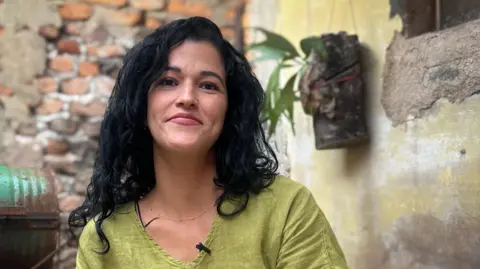
“I booked my son’s passport appointment before he was born,” the woman shared under anonymity, fearing repercussions. “Knowing he is protected is a huge relief.”
This landmark case not only challenges the executive action but tests the boundaries of constitutional interpretation. Immigrant advocates, including groups like the ACLU, argue that altering the definition of citizenship fundamentally undermines American values.
As arguments unfold, the stakes are high: over 250,000 births annually in the U.S. could be affected, impacting families across the nation. Will the Supreme Court protect the legacy of birthright citizenship or align with the Trump administration's campaign against immigration? Only time will tell.