Brain‑Light Breakthrough
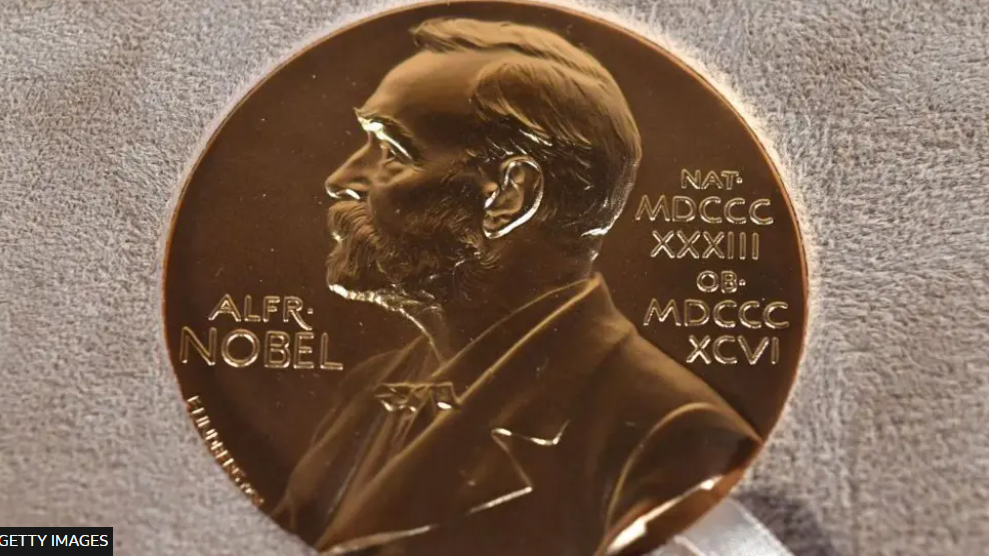
Scientists have used a special kind of light to turn brain cells on and off, and the Nobel Committee just gave them the top science award.
The team—made up of a US psychiatrist and neurologist and two German colleagues—developed a technique called optogenetics. It lets researchers implant tiny light‑sensitive proteins in neurons and then use tiny flashes of light to control them with precision.
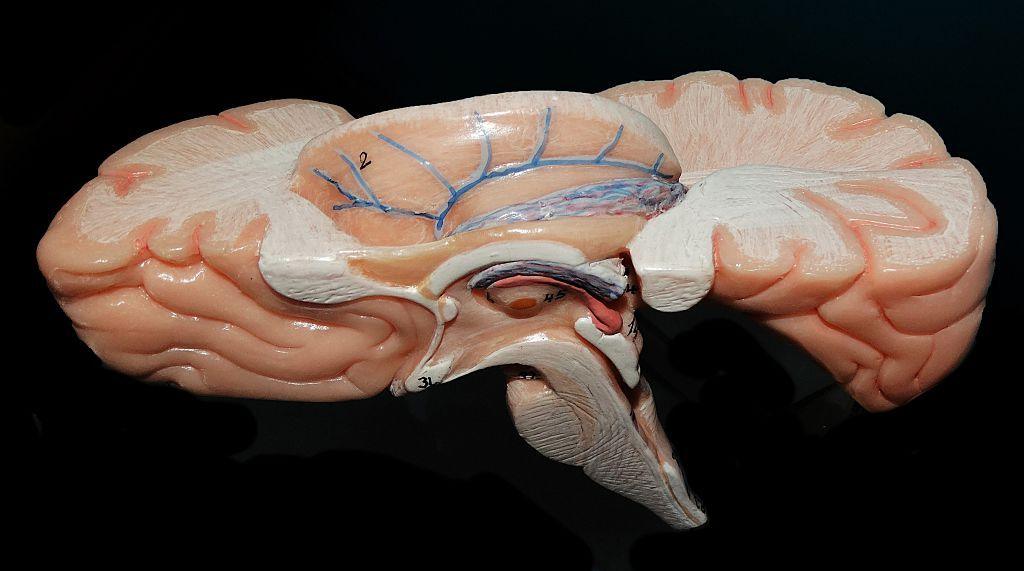
Because the brain’s networks are so complex, this method lets scientists pinpoint exactly which cells drive certain memories, sensations or behaviours. That’s a big help for studying brain disorders such as depression or addiction.
In medicine, doctors are already testing the trick to bring back sight for people with damaged eyes. The Nobel Prize signals that the technique is moving from lab to real‑world solutions.