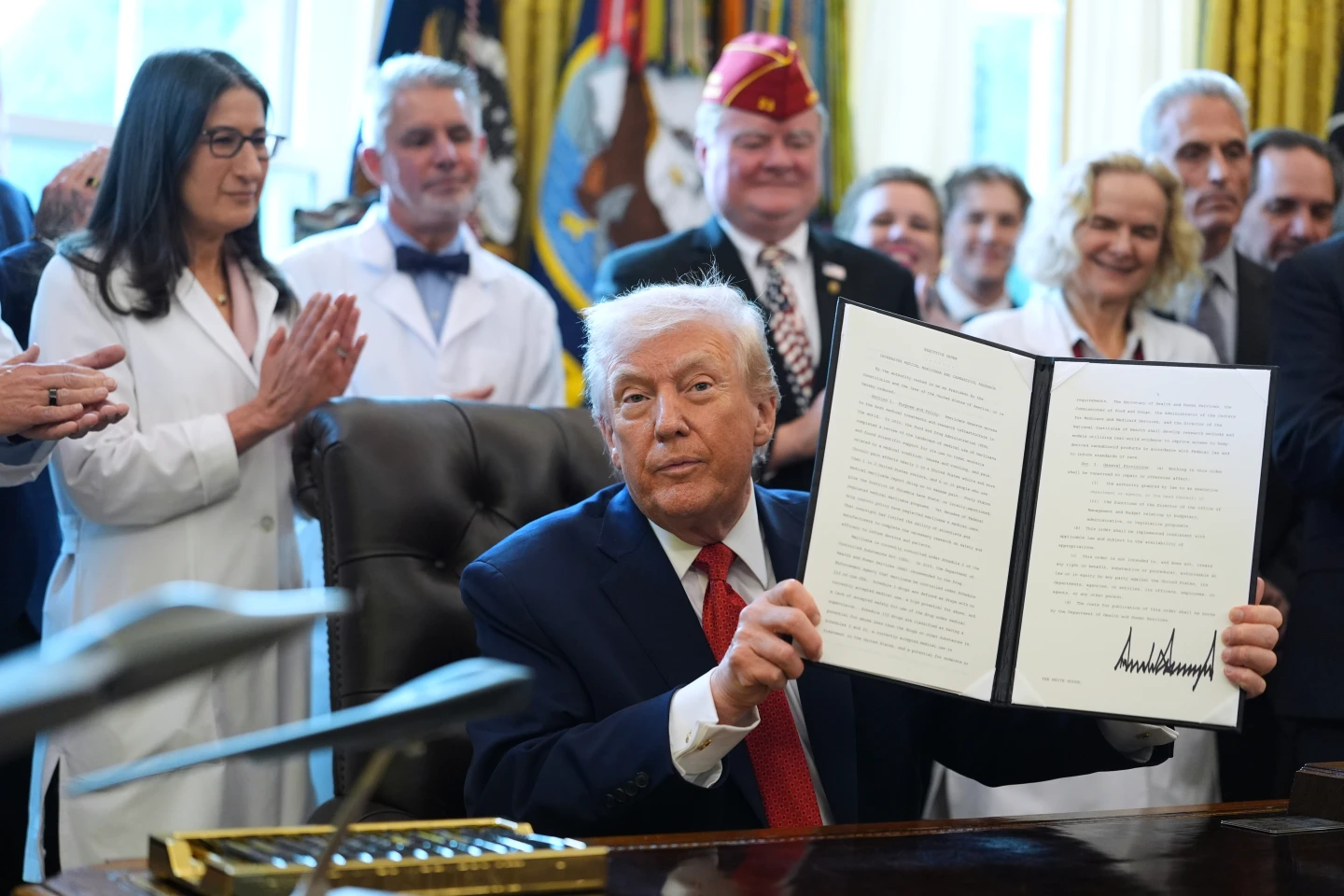
WASHINGTON (AP) — President Donald Trump signed an executive order Thursday that could reclassify marijuana as a less dangerous drug and open new avenues for medical research, a major shift in federal drug policy that inches closer to what many states have done.
The switch would move marijuana away from its current classification as a Schedule I drug, alongside heroin and LSD. Cannabis would instead be a Schedule III substance, like ketamine and some anabolic steroids.
While this reclassification would not permit recreational use of marijuana nationwide, it could change how the drug is regulated and reduce substantial tax burdens placed on the cannabis industry.
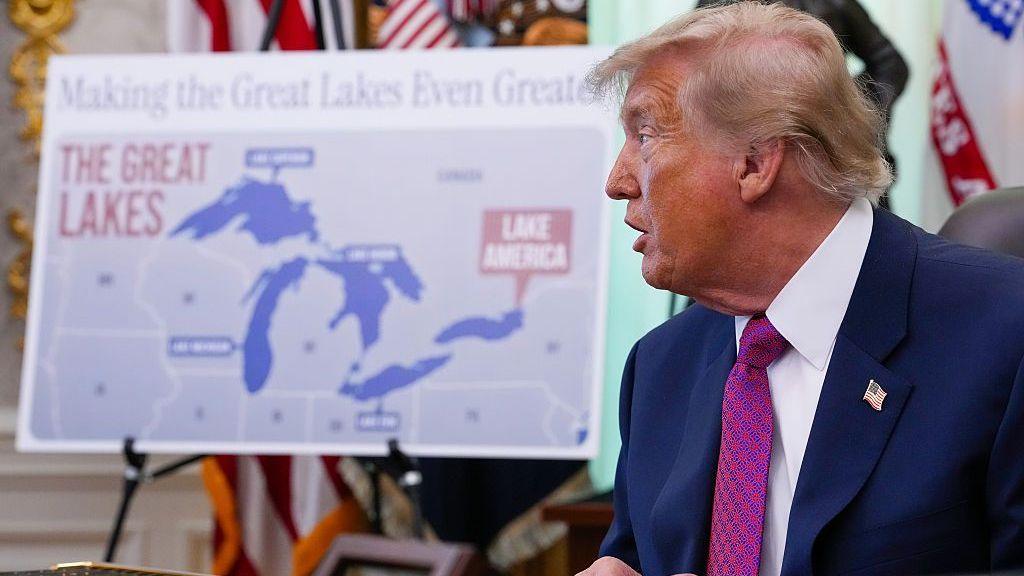
Trump remarked he had received overwhelming support for this initiative, stating, “We have people begging for me to do this. People that are in great pain.”
Under Trump’s Democratic predecessor, Joe Biden, the Justice Department also pushed for reclassifying marijuana, but Trump’s move came without unanimous support from his party, with some Republicans urging to maintain current regulations.
This change in classification typically requires a lengthy review and public comment period, which had already started when Trump took office. His order may expedite this process significantly.
Public sentiment around marijuana is changing, with recent polling from Gallup showing increasing support for legalization. Dropping from just 36% supporting legalization in 2005, support surged to 68% last year.
Trump’s directive also includes a call for enhancements in research and access to CBD, a hemp-derived product whose benefits remain under discussion among experts. Additionally, a new Medicare initiative could provide older adults legal access to hemp-derived CBD at no cost, if prescribed by a physician.
Over 20 Republican senators have expressed concerns over reclassifying marijuana, indicating it could undermine efforts to promote safety and health. The debate over cannabis continues with Trump holding off on endorsing outright decriminalization, emphasizing a state-by-state decision process.