In brief
A petition signed by more than 70,000 Canadians calls for US Ambassador Pete Hoekstra to be recalled after accusations that he has been meddling in Canadian politics and echoing Trump’s threat of a "51st state". The appeal comes as Ottawa and Washington negotiate trade deals with a 50% tariff looming on $20‑$28 bn of Canadian goods. The petition will be formally presented to Parliament, potentially sparking a diplomatic row while Canada seeks to avert a major tariff hit. The controversy also highlights broader tensions around political messaging, media outreach, and the role of ambassadors in foreign policy.
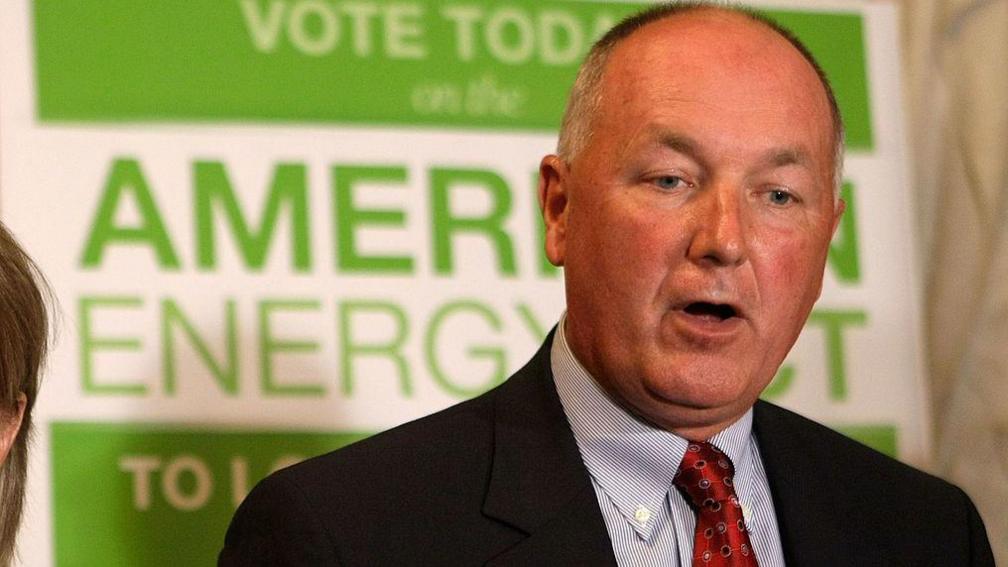
In a swift wave of online resistance, more than 70,000 Canadians have signed a petition demanding that the United States’ ambassador to Ottawa, Pete Hoekstra, be expelled. The petition accuses Hoekstra of repeatedly influencing Canadian political discussions and normalizing a Trump‑era claim that Canada could become the United States’ "51st state."
The call has “brought the seriousness of the issue into focus,” said Leanne Walker, the Calgary woman who launched the petition. The response has surprised many, but it indicates that a large segment of the population feels the ambassador is stepping over borders.
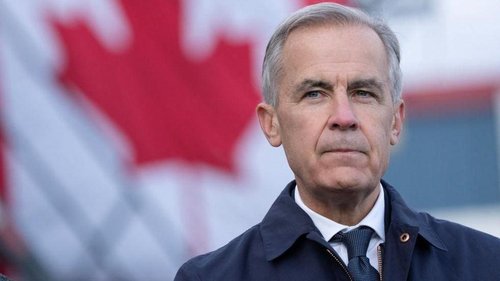
Meanwhile, Ottawa and Washington are under pressure to finish a trade agreement before the new U.S. tariffs take effect next week. The tariffs—estimated to hit $20‑$28 bn of Canadian goods—are set at a staggering 50%. In reaction to the proposed cuts, Canadian Prime Minister Mark Carney warned that further retaliation could be possible if Washington’s measures are enforced.
As the diplomatic debate unfolds, Parliament will table the petition later this year. Green Party leader Elizabeth May announced her intention to do so, citing her “obligation to sponsor every petition brought forward by Canadians, regardless of personal agreement.” The petition already reached Parliament’s threshold of 500 signatures, ensuring it will be discussed in the House of Commons.
The ambassador’s antics have not gone unnoticed. Hoekstra has been known for delivering staunch Trump comments, saying that Trump’s trade policies are designed to protect American prosperity. He also described the relationship between the two countries as “critical,” and has repeatedly called Canada’s political climate “anti‑American.” His most recent controversy involved him inviting a 2022 Freedom Convoy protest figure to his Fourth of July celebration.
What This Means for Canada
If the petition succeeds, it could trigger a formal recall of Hoekstra, stirring a significant diplomatic fallout. The recall would also provoke a wider conversation about how ambassadors should conduct themselves and the limits of political messaging abroad.
Across the border, the trade talks rolling through Washington and Ottawa continue to hinge on whether the United States will turn the tariffs into reality. The situation remains fluid and has become a flashpoint for both Canadian and U.S. domestic politics.