In brief
A 62‑year‑old Colombian named Álvaro Pulido has been arrested in the United States after prosecutors accused him of funneling more than $2 billion from a Venezuelan government welfare scheme into offshore accounts. Pulido, who was already jailed in Venezuela for misusing oil‑company funds, was taken into custody during a Homeland Security Task Force operation. The U.S. Department of Justice says he was involved with co‑defendants in bribing officials to secure contracts that supplied food and medicine to poor Venezuelans, and that he collaborated with Alex Saab in a $350 m money‑laundering effort. The arrest follows Saab’s guilty plea for a $195 m laundering case and highlights the U.S. push to crack down on corruption across Latin America.
What’s Going On?
Pulido, a 62‑year‑old Colombian, was snatched by U.S. agents in a Homeland Security Task Force raid. He faces charges for siphoning more than $2 billion that had come from a compromised Venezuelan welfare program. The money was funneled through overseas bank accounts and was meant to buy contracts that fed and medicated the poor.
He’s not the first high‑profile figure to be targeted. Alex Saab, a former minister in the Venezuelan government, pleaded guilty to a $195 m laundering case last month and was extradited to the U.S.
Pulido’s arrest shows a clear pattern: the U.S. is pulling in officials who may have tangled with corrupt deals to try to clean their pockets. Those accounts in Florida and other states are now being scrutinised for large, suspicious transfers.
Key Facts
- A total of $2 billion linked to corrupt contracts.
- Purchases included staples like rice, medicine, and other basic supplies.
- Funds laundered through U.S. banks and other foreign accounts.
- Pulido co‑worked with Saab on a $350 million scheme involving the Venezuelan currency system.
- He is due in court next Tuesday.
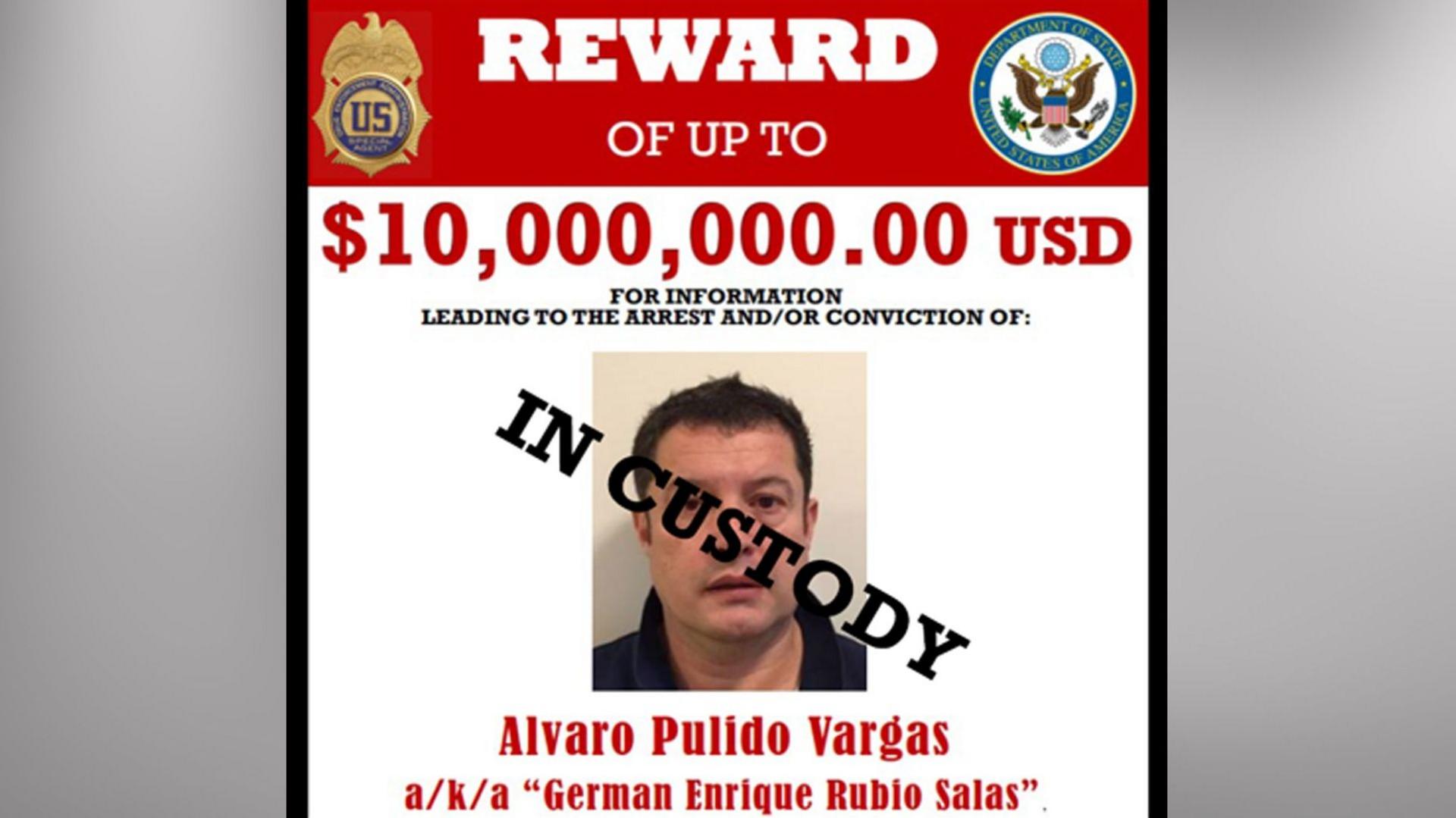
The U.S. Drug Enforcement Administration and State Department had already offered a $10 million reward for information leading to Pulido’s arrest. His detention, two months after Saab’s plea, signals a broader effort to clamp down on corruption in the region.
For young readers, the story is a reminder that powerful men can hide behind paperwork and pastries, but law enforcement specialists around the world can track their tracks in the digital age. The case also shows why having teachers who can teach us about global money movement matters. Stay tuned for more updates as the court case moves forward.