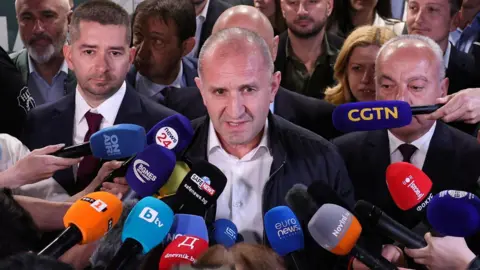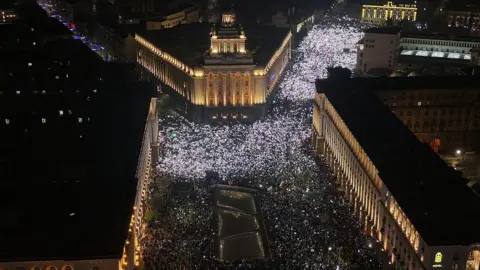
The government of Bulgarian Prime Minister Rosen Zhelyazkov has resigned after protesters took to the streets in cities across the country and filled the centre of the capital Sofia on Wednesday night.
Zhelyazkov's dramatic move came ahead of a vote of no confidence in parliament and 20 days before Bulgaria joins the euro.
Anti-corruption demonstrations ignited a strong response from citizens, prompting the government to abandon its controversial budget plan for next year, a response spurred by the public outcry.
In a televised address, Zhelyazkov acknowledged the citizens' frustrations and stated, We hear the voice of citizens protesting against the government, while emphasizing the civic energy that must be supported.
On the streets, between 50,000 and 100,000 demonstrators gathered, rallying under slogans demanding the resignation of Zhelyazkov and calling out figures tied to corruption.
The resignation follows months of protest against the government, which previously had managed to survive five no-confidence votes in less than a year of its tenure.
Protesters specifically targeted influential figures such as oligarch Delyan Peevski and former Prime Minister Boyko Borissov, blaming them for systemic corruption within the government.
The upcoming change in leadership is occurring against the backdrop of Bulgaria's momentous entry into the eurozone, which remains unaffected by the political turmoil.