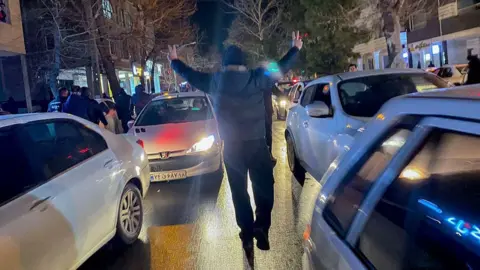
Tehran has witnessed its largest anti-government demonstrations in decades, as protests swept through dozens of districts across the capital and its wider metropolitan area of nearly 16 million people.
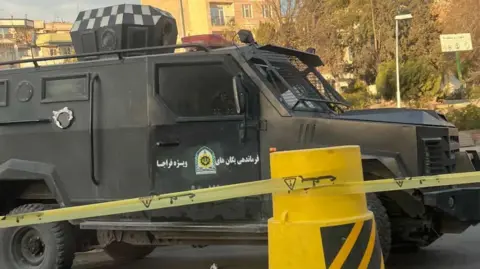
For several hours on Thursday night, security forces appeared unusually restrained. In areas where crowds were especially large, police and security units largely avoided direct confrontation, raising questions about whether the authorities were deliberately holding back.
That restraint appears selective and strategic rather than absolute. While Tehran has seen a comparatively cautious approach, reports from smaller cities and provinces tell a far more violent story.
According to Iranian human rights organisations, over 40 people have been killed since the protests began, with confirmed identities of at least 21 victims. Many were killed in Lorestan and Kurdish-majority regions. Video evidence shows security forces firing directly at protesters, and at least four security forces have also died.
Iran's Supreme Leader Ayatollah Khamenei has warned that the Islamic Republic "will not back down in the face of vandals", framing the protests as foreign-inspired sabotage.
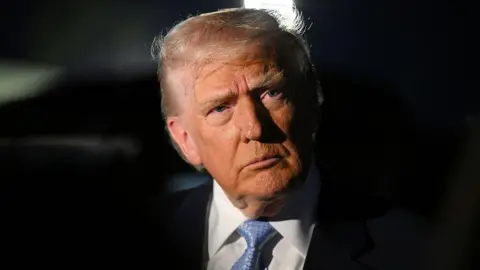
Heightened fears within Iran's leadership are palpable amidst Trump’s warnings of serious consequences if peaceful protesters are killed. The former president stated that Iran would face severe retaliation for actions akin to past uprisings.
While the regime is exercising restraint in the capital to avoid obvious bloodshed, violence has surged in surrounding areas, with rapid repression indicating a possible strategy to avoid significant foreign retaliation.
Calls for legitimate protests from Iranian President Masoud Pezeshkian may be limited, as security policy remains firmly in the hands of Khamenei.