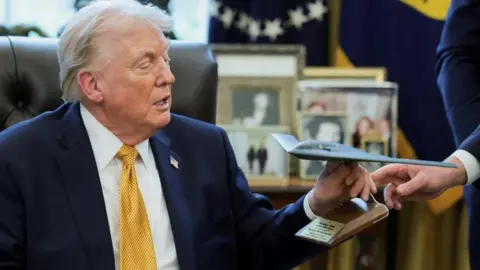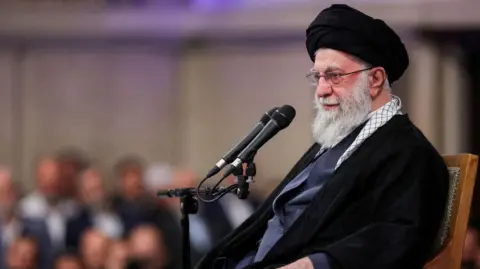
Iran's Supreme Leader Ayatollah Ali Khamenei has called anti-government protesters 'troublemakers' and 'a bunch of vandals' just trying 'to please the president of the US'. He accused crowds of destroying buildings because Donald Trump said he 'supports you'. Trump has warned Iran that if it kills protesters, the US would 'hit' the country 'very hard'. The protests, in their 13th day, erupted over the economy and have grown into the largest in years - leading to calls for an end to the Islamic Republic and some urging the restoration of the monarchy. At least 48 protesters and 14 security personnel have been killed, according to human rights groups. An internet blackout is in place.
Khamenei remained defiant in a televised address on Friday, stating, 'Let everyone know that the Islamic Republic came to power through the blood of several hundred thousand honourable people and it will not back down in the face of those who deny this.' Since protests began on December 28, more than 2,277 individuals have been arrested, while the Norway-based Iran Human Rights (IHRNGO) reported that at least 51 protesters, including nine children, had died.
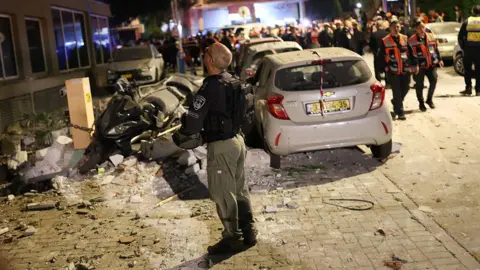
Protests have taken place across the country, with verified videos showing people shouting 'death to the dictator' in the south-eastern city of Zahedan. In some areas, noise from loud bangs has been reported, and videos have surfaced of vehicles being overturned and set ablaze. Amid a near-total internet blackout, it is increasingly difficult to assess the situation on the ground.
Mahsa Alimardani, an NGO worker, expressed anxiety about her family's well-being during this tumultuous time, while remarks from former crown prince Reza Pahlavi encourage US intervention to help the Iranian people. These events mark a significant moment of unrest in a country grappling with economic challenges and demands for political reform.
Khamenei remained defiant in a televised address on Friday, stating, 'Let everyone know that the Islamic Republic came to power through the blood of several hundred thousand honourable people and it will not back down in the face of those who deny this.' Since protests began on December 28, more than 2,277 individuals have been arrested, while the Norway-based Iran Human Rights (IHRNGO) reported that at least 51 protesters, including nine children, had died.
Protests have taken place across the country, with verified videos showing people shouting 'death to the dictator' in the south-eastern city of Zahedan. In some areas, noise from loud bangs has been reported, and videos have surfaced of vehicles being overturned and set ablaze. Amid a near-total internet blackout, it is increasingly difficult to assess the situation on the ground.
Mahsa Alimardani, an NGO worker, expressed anxiety about her family's well-being during this tumultuous time, while remarks from former crown prince Reza Pahlavi encourage US intervention to help the Iranian people. These events mark a significant moment of unrest in a country grappling with economic challenges and demands for political reform.