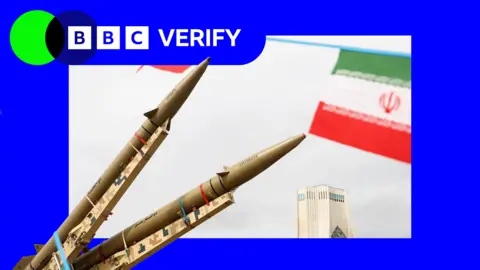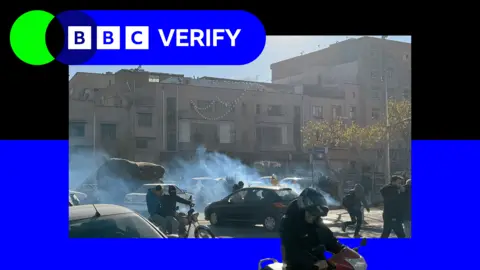
Protests have erupted across Iran, marking the most significant challenge to the clerical government since 2022, according to recent analyses by BBC Verify.
With verified reports placing demonstrations in at least 17 provinces, the unrest reflects deep-seated anger over economic mismanagement and political repression. The protests began on December 28, spurred by a steep decline in the national currency's value.
Video evidence has surfaced from over 40 cities, with gatherings indicating growing opposition, even in traditionally loyal regions like Qom and Mashhad.
Experts warn that the current protests bear a more anti-government character than previous movements, with chants against Supreme Leader Khamenei becoming increasingly common. In several instances, demonstrators have resorted to violence against state forces, raising concerns about the potential for severe clashes.
In response to the deteriorating situation, Iranian authorities have escalated their force, similar to tactics employed in the deadly 2022 protests. While the regime is still maintaining control, doubts about the long-term stability of their grip are increasing, particularly as calls for change resonate louder among the populace.