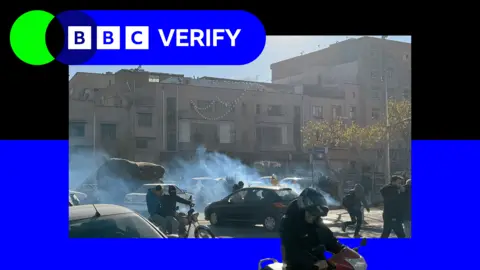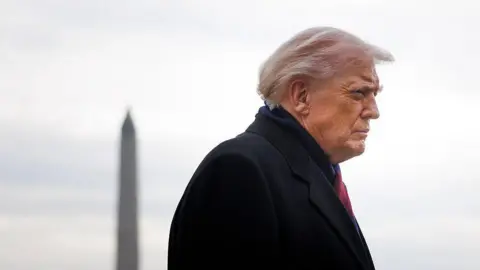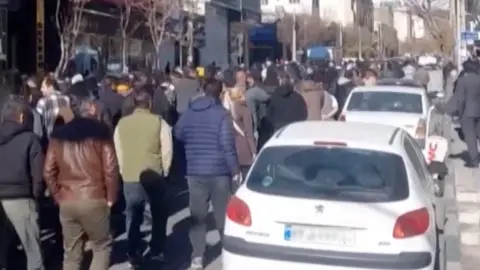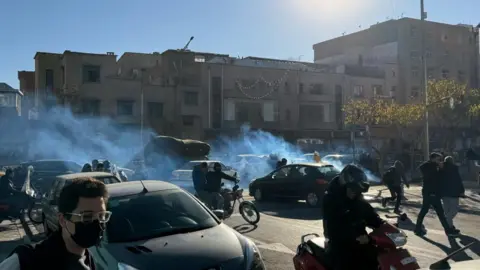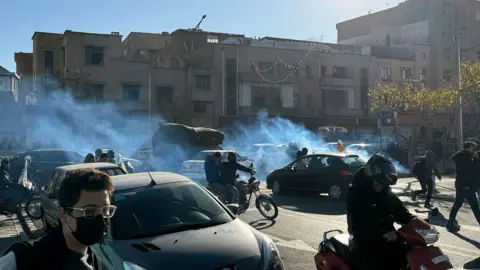
Iran is no stranger to street protests, but several factors surrounding the current unrest make it very serious. Monday marks the ninth day since demonstrations broke out, yet even four or five days were enough for President Trump to issue a direct warning to Iranian leaders over the treatment of protesters, saying the US was locked and loaded. Such direct threats from a sitting US president during ongoing protests are extremely unusual and may embolden demonstrators, encouraging unrest to spread further. Iranian security forces have responded violently, with reports of more than 20 people killed.
The protests began peacefully on December 28, driven by anger over soaring inflation and a significant devaluation of the local currency, with prices of food items soaring. International sanctions led by the US have worsened economic conditions, but domestic corruption is also fueling public anger. Many Iranians believe that certain officials benefit from sanctions through corrupt means, which adds to their frustration.
Originally sparked by economic issues, the protests quickly turned political, with demonstrators demanding a shift away from the ruling Islamic Republic. Merchants in Tehran’s Grand Bazaar were among the first to protest, but the movement expanded to involve students and ordinary citizens calling for broader change.
Amidst the protests, Iran faces international challenges as well. A recent war with Israel has severely damaged its military capabilities and regional alliances. With the geopolitical environment shifting and the situation at home so volatile, many believe this is one of the weakest moments for Iran in decades, raising questions about the potential for more significant unrest.
The protests began peacefully on December 28, driven by anger over soaring inflation and a significant devaluation of the local currency, with prices of food items soaring. International sanctions led by the US have worsened economic conditions, but domestic corruption is also fueling public anger. Many Iranians believe that certain officials benefit from sanctions through corrupt means, which adds to their frustration.
Originally sparked by economic issues, the protests quickly turned political, with demonstrators demanding a shift away from the ruling Islamic Republic. Merchants in Tehran’s Grand Bazaar were among the first to protest, but the movement expanded to involve students and ordinary citizens calling for broader change.
Amidst the protests, Iran faces international challenges as well. A recent war with Israel has severely damaged its military capabilities and regional alliances. With the geopolitical environment shifting and the situation at home so volatile, many believe this is one of the weakest moments for Iran in decades, raising questions about the potential for more significant unrest.