In brief
Two massive chemical tank incidents—an explosion at a Longview paper mill and a near‑miss in Garden Grove—brought 53,000 residents into danger. Experts say tanks are usually safe, but when they age or contain corrosive substances, failures can happen. The US EPA, state labor departments, and Occupational Safety & Health Administration (OSHA) all share responsibility, yet gaps still exist. Below is the latest on how these incidents unfolded, and what’s being done to prevent future disasters.
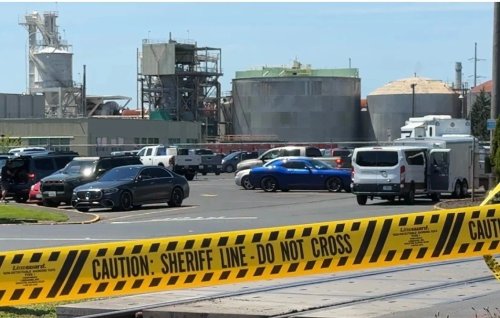
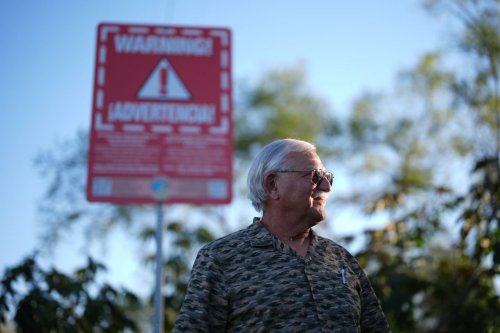
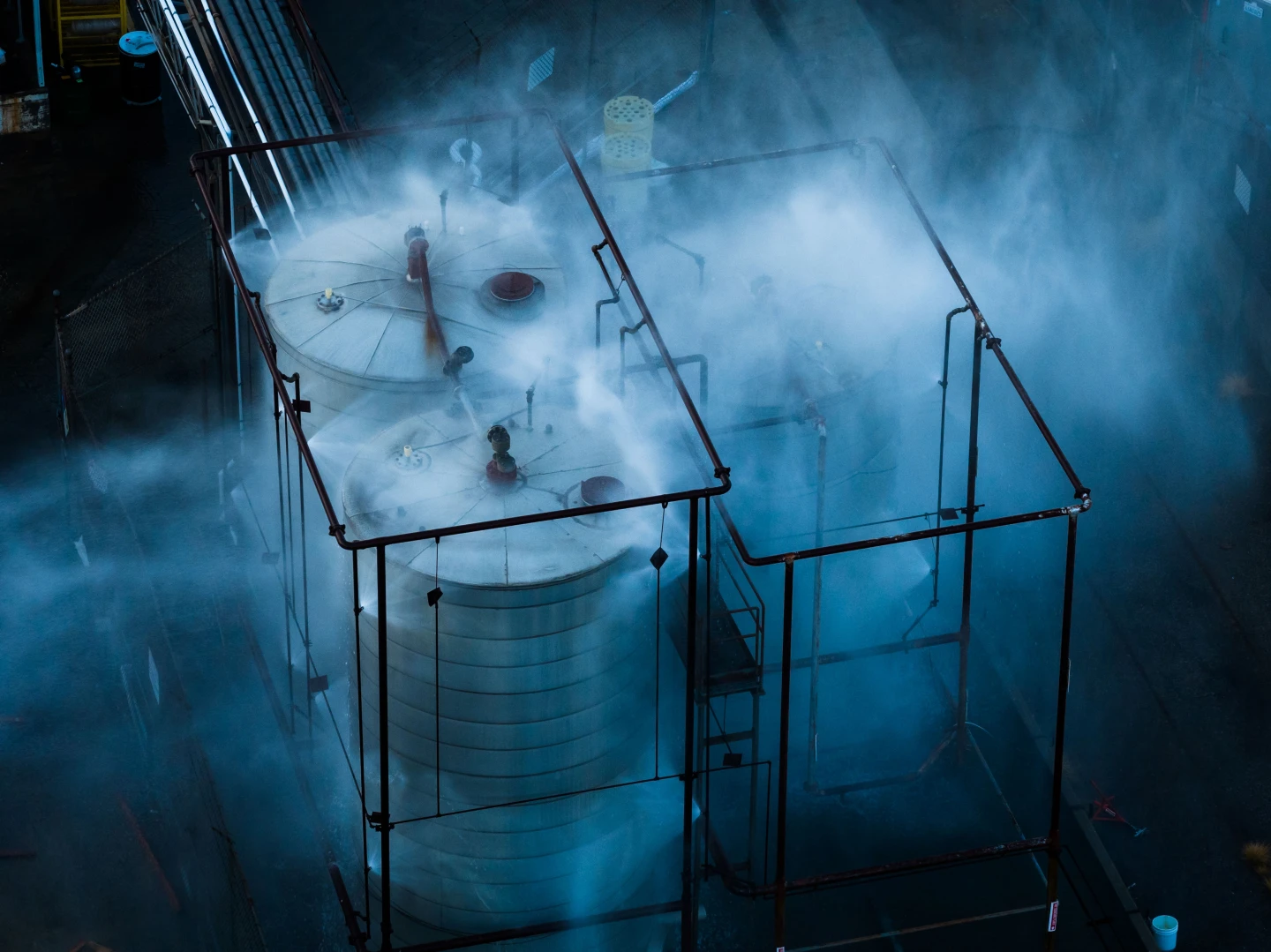
[ "## 1. Two Major Chemical Blasts This Week", "• **Longview, Washington** – a paper‑milling plant’s steel tank filled with corrosive white liquors ruptured on Tuesday, killing two workers and leaving a danger zone for nearby residents. The impact zone was so large that fire departments had to leave the building.• **Garden Grove, California** – a tank storing pesticide‑grade chemicals overheated, almost collapsing a school district’s evacuation for 50,000 people. The plant’s owner was quarantined, but the incident ended without a fatality thanks to quick firefighting.In both cases, the tanks were decades old, but scientists say the odds of failure are still *very low*—roughly **1 in a million** per year—unless maintenance is neglected.## 2. Who’s Punishing the Tank Owner? Overlaid Responsibility**The EPA** runs a *right‑to‑know* system: companies that store hazardous chemicals must post safety data sheets for fire squads and local IN; they also provide emergency plans to the state.**OSHA** chips in with Process Safety Management—training, permitting, handbooks, and backup procedures for high‑risk chemicals.**State agencies** are the front‑liners. In Washington, the *Department of Labor & Industries* and local fire marshals do the inspections; in California, the *Division of Occupational Safety & Health* leads the effort.In Longview, the company that owned the tank—Nippon Dynawave—had two prior state investigations for other hazards, but nothing related to the current chemical. In Garden Grove, the product was epoxy resin; the plant is under an OSHA Process Safety Management program.## 3. How Tank Safety Should Work> **Tip:** A *10‑year rule*—inspect more often after a decade.* **Seam & Valve Checks** – especially for corrosive or caustic chemicals, valves must run every 3–5 years.*\t**Integrity Testing** – ultrasonic, X‑ray, or pressure tests to spot latent damage.*\t**Hydraulic‑Pressure Design** – design the tank to hold its contents even under hot‑temp stress.*\t**Emergency Shutdown** – automatic venting if pressure peaks.> **Why the APA’s “Incomplete” Terminology?** The U.S. Chemical Safety Board called the Longview event a *“likely safe” rupture* – still a tragic reminder that Charles can break. They are now probing the incident.## 4. The Public Angle> **Public‑Health Alarm** – There are *no solid exposure‑level guidelines* for residents after a spill, so authorities must decide what constitutes a “safe” dose.*\t Americans: 52‑year‑old, 8‑year‑old, or a teenager with asthma could react differently.*\t**Community Response** – “We’re terrified,” said a long‑time resident of the Garden Grove evacuation zone.Chef researcher Stephen Lester warns that *every one of us* may be living in the shadow of an under‑regulated risk. 40 years of science still leave health‑based exposure standards unestablished.## 5. What’s Next? Accountability & Prevention* **Audit Alarms** – Multistate cross‑checks on chemical storage, plus central “hazard‑inventory” that teams up federal with state data.*\t**Rapid‑Response Teams** – specially-trained local crews to take a plant back online after an emergency.*\t**The “Never‑again” Protocol** – after any tank breach, immediate safety engineer visit and company overhaul.Police and environmental regulators are now reminding all plant‑owners to brush up on safety paperwork. Also, the **“C‑to‑O”** slogan—*Cleanups‑to‑Operations*—extends OSHA’s classic “Hazard‑action” cycle.> *Follow‑up:* Keep an eye on the EPA and OSHA rule‑making board. Every week, new guidance on *critical 3‑stage safety* is being drafted.## Bottom LineChemical tanks work if you keep them clean and checked. But when they run out of maintenance windows, a catastrophic streak can start—just as Washington’s “white liquor” saw its demise, and California’s caffeine‑related plant sparked a panic.**Now, the question is for regulators: do we have a 24‑hour *alarm system* to scrub actual hazards before they become headlines?**---**Key Takeaways*** Tanks fail rarely—only if neglected or overstressed.* Oversight is shared among the EPA, OSHA, and state labor departments.* Public exposure guidelines are still missing.* Immediate post‑inspection audits can help avoid future incidents.***Want to help curb the next disaster? Gear up for a quick quiz: *Which checks do you think are most often overlooked?***" ]