In brief
Olympic ice is a carefully crafted surface essential for sports like curling, ice skating, and ice hockey. Technicians, nicknamed 'ice masters,' ensure optimal conditions by controlling temperature, water purity, and surface texture to cater to each sport's demands. Diverse conditions include pebbled surfaces for curling and hard bases for hockey, proving that creating the perfect ice isn't as simple as it seems!
Olympic ice describes the uniform ice surface specified for international competitions, including the Winter Olympics.
Skilled technicians, known as 'ice masters,' are responsible for making and maintaining the ice. They ensure the surface is optimal for athletes competing in sports such as curling, ice skating, and ice hockey.
The ice hockey arena in Milan-Cortina was built from scratch for the men's and women's matches following delays and last-minute building works. But how do they make the ice for the rink?
It starts with five centimeters of insulation laid on the concrete floor, topped with a vapour barrier. Engineers place mats containing glycol above to keep the ice cold.
Next, boards and glass walls are erected around the rink, and approximately two inches of water are added over the mat to create ice sheets. The surface is painted white and sealed, with ice hockey markings and logos added.
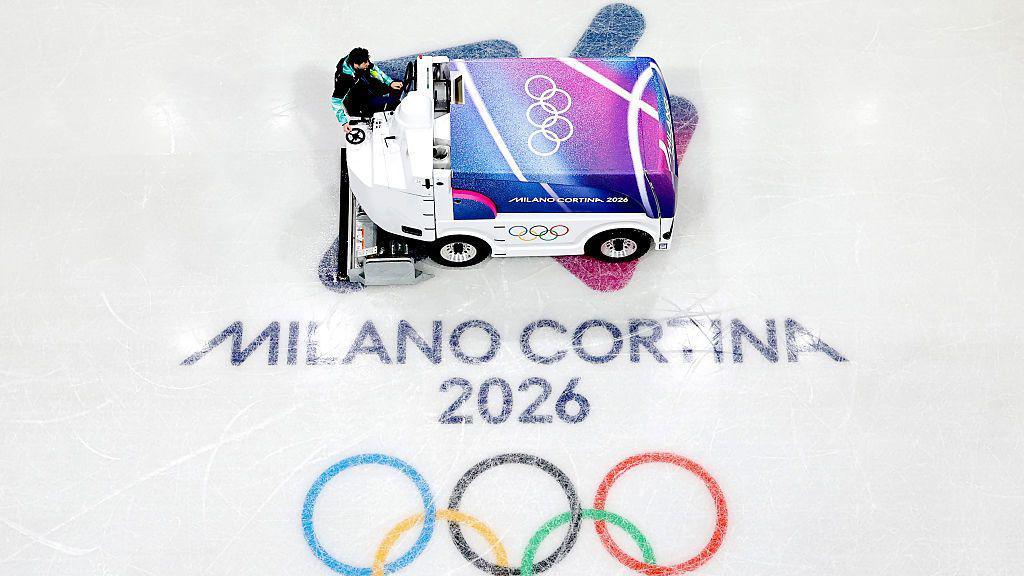
Finally, the rink is topped with three to four centimeters of water to form the playing field, with temperatures kept between -5 and -4°C. Resurfacing machines, called Zambonis, regularly shave away ice to form a smooth layer.
Ice master Mark Messer noted that the hardest part of managing the ice is “working with a new system for such a high-profile event with little preparation time.” He emphasizes that while ice has been made in temporary settings, it has not been done on this scale for an Olympic Games.
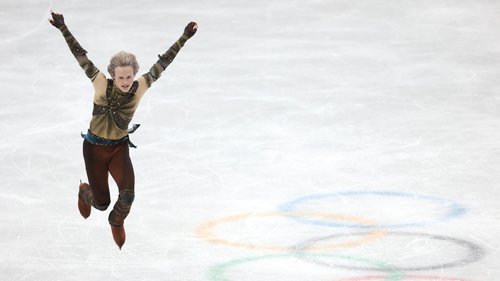
Each sport requires a different ice format, from soft for curling to hard for hockey, with specific temperatures to support optimal athlete performance. Figure skating needs a softer surface for landings, while short track speed skating demands harder, thinner ice.
In Milan-Cortina, the venue will host figure skating and short track speed skating, requiring rapid surface adjustments that could take up to three hours.
The purity of water used is critical, as ice masters monitor pH levels and total dissolved solids to prevent cloudiness or structural issues with the ice.
External factors like temperature changes, lighting, and even the audience's presence can influence ice quality, showing that creating Olympic ice is more complex than one might think!