China has called the US naval blockade of Iranian ports 'irresponsible and dangerous.'
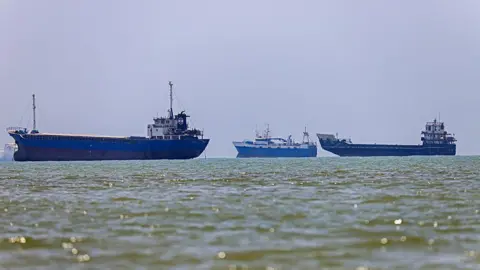
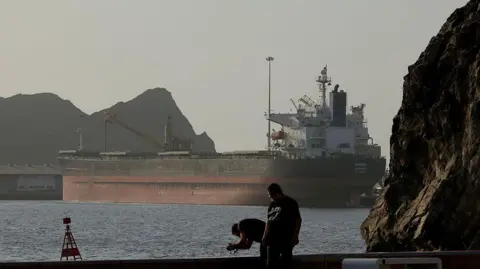
Beijing's foreign ministry stated that the blockade would 'undermine the already fragile ceasefire agreement' and further jeopardize the safety of ships in the Strait of Hormuz, which is crucial for global trade.
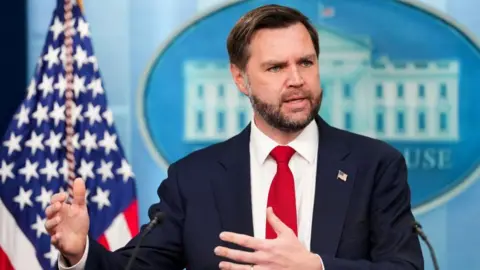
The blockade began shortly after peace talks between the US and Iran collapsed in Pakistan. US President Donald Trump claims the blockade aims to dismantle Iran's nuclear initiatives and pressure Beijing, the largest buyer of Iranian oil, to influence Tehran.
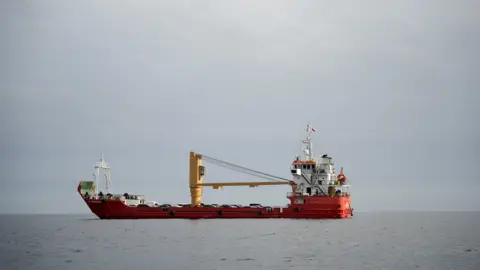
Iran’s ambassador to the UN views the blockade as a 'grave violation' of Iranian sovereignty. Up to now, Chinese vessels have been among the few able to navigate through the Strait. However, it's unclear if they require payment to Iran for safe passage.
The blockade could disrupt China's oil supply and have significant economic implications.
'Only through comprehensive ceasefire and ending warfare can we create conditions for easing the situation in the strait,' said a Chinese foreign ministry spokesperson.
As tensions rise, the US asserts it will not obstruct ships traveling to non-Iranian ports but aims to enforce the blockade by deploying its military navy in the Gulf of Oman.
The situation remains tenuous, with oil prices fluctuating below $100 per barrel amid fragile ceasefire dynamics and escalating geopolitical strategies.