In brief
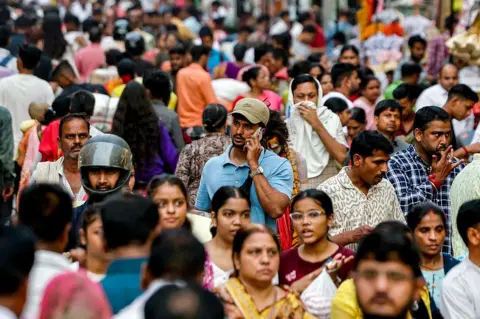
India has initiated its 16th census, a colossal undertaking aimed at accurately counting its 1.4 billion citizens. This first census in 15 years will involve over 3 million officials, who will employ a two-phase process that includes digital data collection and self-enumeration options. The census is crucial for policy-making and reflects India's evolving demographic dynamics.
India has embarked on its 16th national census, marking its first comprehensive population count in over 15 years. This immense undertaking will see more than a billion people asked 33 questions covering a wide range of aspects, from housing conditions to internet access. The census is anything but ordinary; it's the largest of its kind ever conducted, with around three million officials involved in the process.The two-phase operation involves digital innovations, allowing residents to participate via mobile apps and online portals in 16 languages. In addition, for the first time, the census will incorporate caste data, a sensitive issue that has far-reaching implications for policy and representation in India's diverse society.India, now the world's most populous nation, overtook China in 2023. Despite this growth, the country has a relatively young median age of 28, with nearly 70% of its population in the working-age bracket. The last census was conducted in 2011, and the absence of recent data has led to challenges in effective policy formulation and welfare delivery.This unfolding census is crucial for providing an accurate picture of the country's demographic landscape — vital for decision-making in governance, politics, and social programs.