Delhi’s Hidden Heat: The Real Feel Behind the 43°C Reading
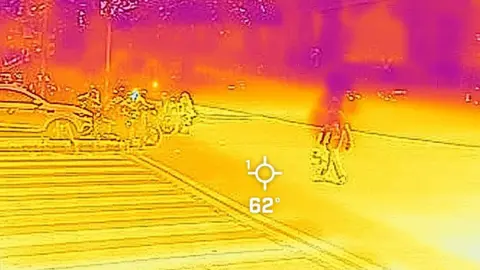
Official weather stations report Delhi’s temperature spiking to 43.5 °C during this week’s heatwave. But when a Greenpeace India team set up a thermal camera on a busy flyover, it recorded surface temperatures soaring up to 64 °C.
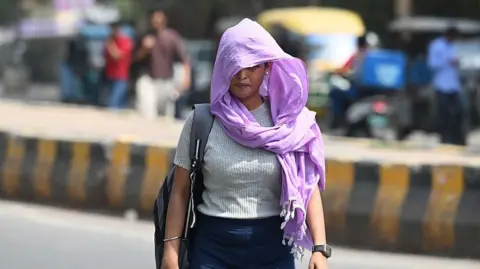
Heat hides in the built‑up environment: concrete, vehicles, asphalt and dry buildings all absorb and re‑emit solar energy, creating “heat islands.” That’s why pedestrians under direct sunlight experience temperatures that feel far higher than the air temperature suggests.
Local residents told us that standing just a few feet away from shade can drop the surface read from 61 °C to under 40 °C, underlining the protective power of trees and shade. The heat can cause severe health risks. “When it exceeds 40 °C the body starts to fail—heat exhaustion, headaches, fatigue, and in extreme cases even seizures,” warned Dr A Fathahudeen, a pulmonologist in Delhi.
Sanitation workers, street vendors and foot‑traffic rushes around historic landmarks such as the Red Fort or Chandni Chowk report scorching ground temperatures up to 58 °C. A vendor’s shoes read 57 °C, and an old vendor’s hair was 39 °C while the ground around her shop hit 51 °C.
Inside a two‑room home in the east, a thermal camera found indoor temperatures hovering at 40 °C—higher than the outdoors and matching the occupants’ complaints of heat trapped inside with no ventilation.
The city’s response: experts call for heat advisories for outdoor workers, encouraging hydration, light clothing, umbrellas, and shaded waiting areas.
In the meantime, the everyday heat experiences—cooling under a tree, or burning under a concrete bench—are a stark reminder of how climate change turns familiar streets into dangerous arenas.
What will Delhi do next? Stay tuned.