In brief
Abhijeet Dipke, the face of India’s youth‑led Cockroach Janta Party, was arrested in Delhi as police clamped down on a planned march in the capital. The protest—aimed at demanding the resignation of the Chief Election Commissioner over alleged voter‑roll manipulation—was supposed to take place in Connaught Place, but authorities closed Central Park and deployed thousands of officers to block the route. Dipke was the second time he was detained in a week, after police boarded his plane and seized him before a previous demonstration. The crackdown has sparked outrage, with supporters comparing it to the Emergency era and calling for greater protest rights. Despite the arrests, the CJP plans to keep pushing its message and is urging supporters to continue waving the flag wherever they can.
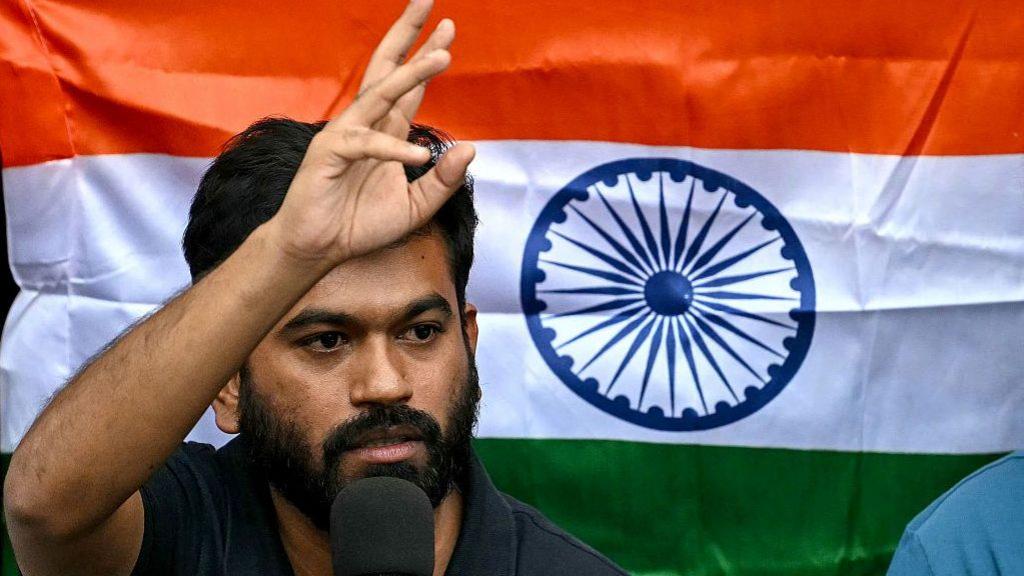
In a high‑stakes showdown, Abhijeet Dipke, the founder of India’s youth‑led Cockroach Janta Party (CJP), was detained in Delhi just before a planned march in Connaught Place.
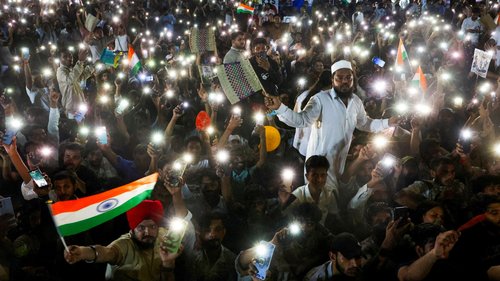
Police had warned the group against holding a Friday march, closing Central Park for “administrative reasons” and setting up a maze of officers that stopped thousands from reaching the venue.
The CJP’s goal is to force the resignation of Chief Election Commissioner Gyanesh Kumar, who the party says is manipulating the voter list to favor the ruling BJP. The commission denies the claim, but opposition parties and student groups echo the call for transparency.
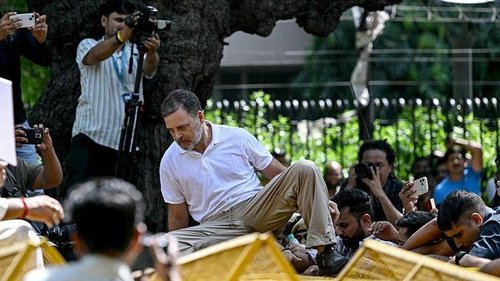
Dipke was arrested for the second time in a week after police boarded his plane and seized him before a previous protest. The crackdown saw journalists and students detained, prompting the group to liken the police action to the Emergency of 1975‑77.
Though released after pledging peace, Dipke and other leaders vowed to keep the movement alive, urging supporters to flag‑wave wherever they can. The CJP faces ongoing scrutiny, with authorities now refusing to use the historic Jantar Mantar as a protest site.
What’s Next?
The CJP is regrouping and planning smaller, stealthy gatherings, while opposition lawmakers continue to challenge the Election Commission and push for reforms. Citizens and activists are keeping a close eye on how the police response might shape the future of protest rights in India.