In brief
India’s opposition parties are converging on the Supreme Court to demand the resignation of Chief Election Commissioner Gyanesh Kumar, amid accusations of voter‑roll manipulation for Prime Minister Narendra Modi’s BJP. Thousands of protesters, including journalists, have been detained by police as the city’s roads and metro stations are tightly controlled. Despite the Chief Justice’s refusal to meet, opposition leader Rahul Gandhi urges a united march, while media freedom grows increasingly contested amid reports of police violence. The escalating confrontation highlights deepening political divisions and challenges to democratic norms in India.
Why the Mood is Mad in Delhi
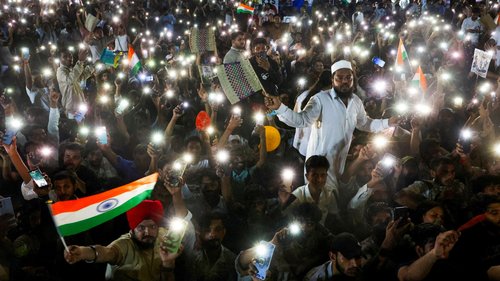
India’s opposition parties are marching toward the Supreme Court in Delhi, demanding the resignation of Chief Election Commissioner Gyanesh Kumar over alleged voter-rigging. Thousands of protesters have been seized by police, with security forces blocking roads and shutting metro stations. The protests stem from charges that the election rolls have been altered to favour Prime Minister Narendra Modi’s BJP, but officials deny the claims.
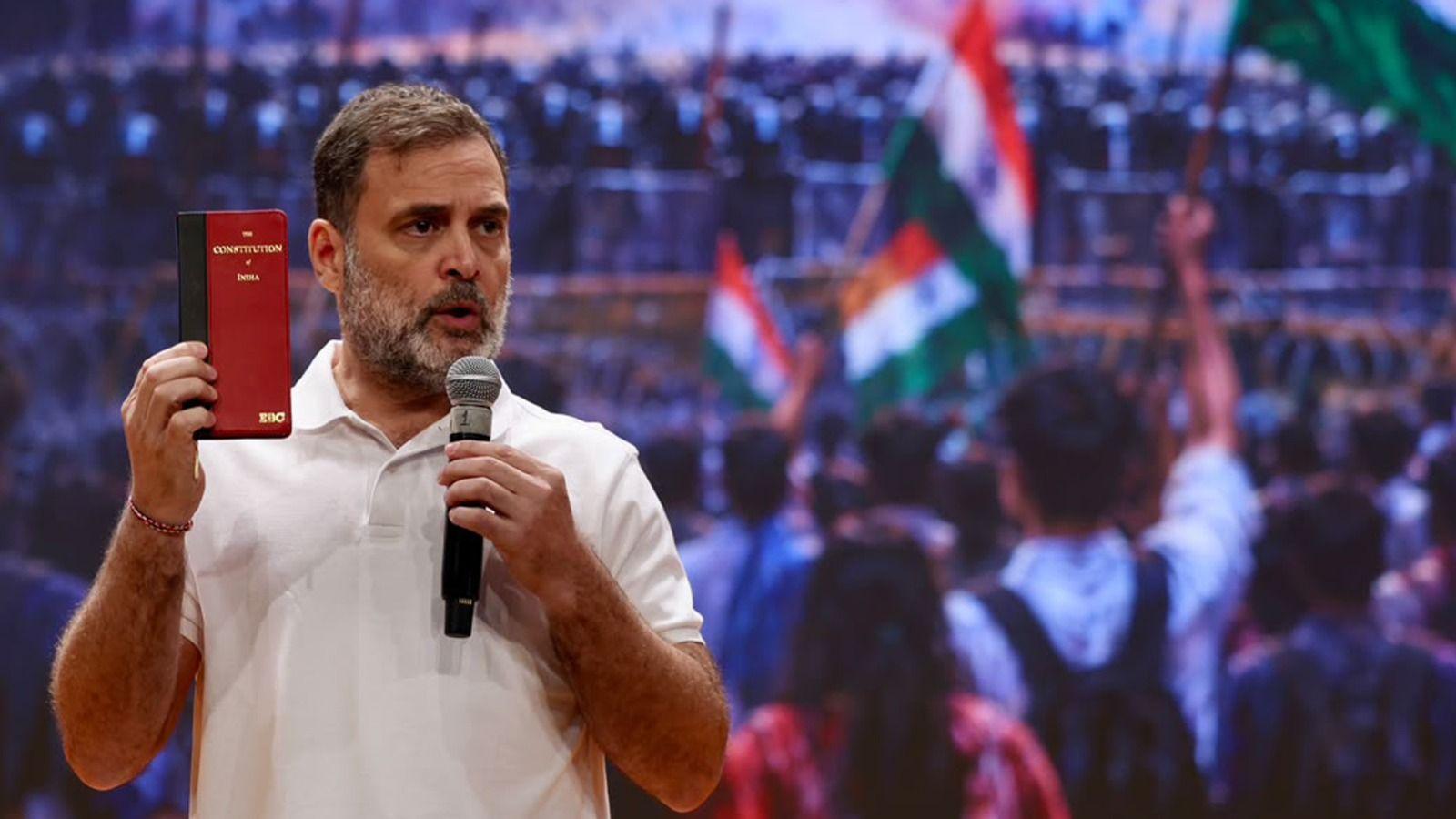
The opposition plans to submit a memorandum to Chief Justice Surya Kant, who declined a meeting citing "certain reasons." In his statement he said every citizen can approach the court, promising to hear their concerns. Rahul Gandhi has called on all "opposition parties, civil society groups and anyone who believes in democracy" to join the march.
Yet the lines between protest and police action blurred as authorities detained, sometimes forcibly, thousands of demonstrators—journalists included. Reporters Without Borders condemned the detentions, and social‑media users recorded violent encounters with police. The scene has sparked debate over political freedom, media freedom, and the growing strain in India’s democracy.