In brief
As wildfires rage, toxic air quality fuels concerns about health risks for nearby residents.
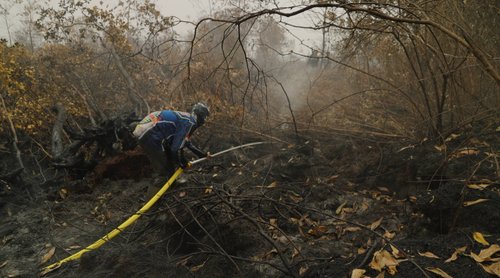
Recent wildfires in Los Angeles County have brought about shocking findings as researchers monitored airborne chemicals. At the height of the fires, atmospheric concentrations of lead, a harmful neurotoxin, soared to an astonishing 100 times higher than usual levels, while chlorine reached 40 times the average. These measurements were taken using cutting-edge sensors that tracked air quality in real-time, highlighting the dangers posed not only by burning trees and brush but also by the materials found in urban environments, such as homes and vehicles."This trend signifies a wake-up call," stated Haroula Baliaka, an atmospheric chemistry Ph.D. candidate, emphasizing that these fires represent urban wildfires fueled by man-made materials. The situation underscores growing anxieties about toxic emissions as climate change makes such fires more frequent in populated areas. In Los Angeles, this spike in dangerous chemicals suggests the eventual health impacts could be severe, especially for vulnerable populations, including children. Research indicates that lead exposure can harm brain development, while chlorine can severely affect lung health. Wildfire smoke contributes significantly to particle pollution, which raises the risk of respiratory illnesses. A previous study estimated that wildfire smoke may have led to the premature deaths of as many as 12,000 Californians in 2018 alone. The recent discoveries have emerged from ASCENT, a new national monitoring network committed to understanding air quality in real-time. The marked urban character of these fires produces a unique mix of toxic pollutants, prompting further research into their effects on health and community well-being.