In brief
Inna Lytvynenko, a Ukrainian paramedic, was targeted by a Russian FPV drone that struck her ambulance while she was treating a wounded woman. Within seconds a second drone pursued her, forcing her to run for safety. The incident is part of a wider trend of deliberate drone strikes on healthcare facilities and ambulances, with WHO reporting over 3,000 attacks. These assaults cut off emergency services and endanger civilians, particularly the elderly with chronic illnesses. Ukrainian authorities are calling for stronger action to protect medical infrastructure.
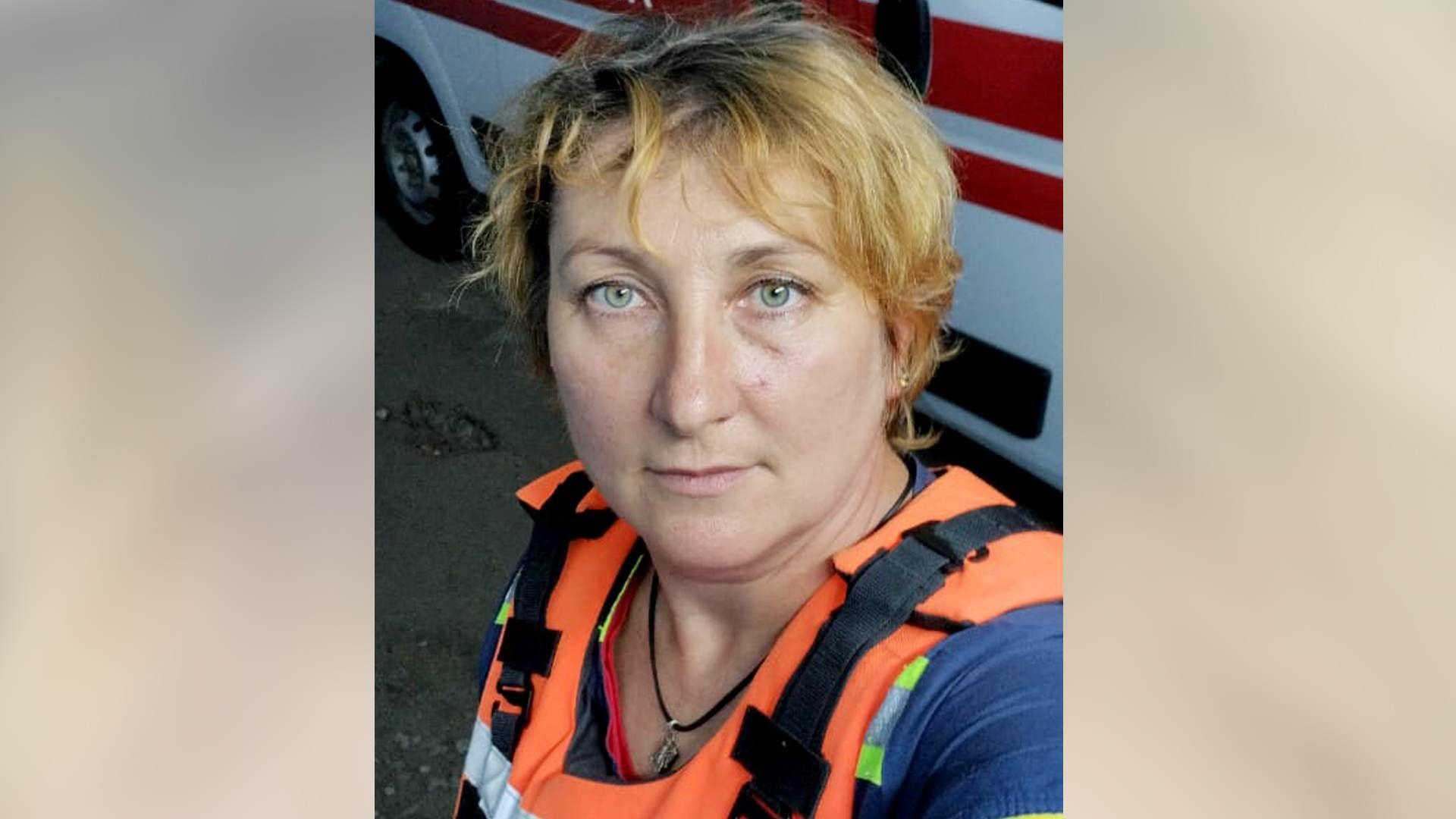
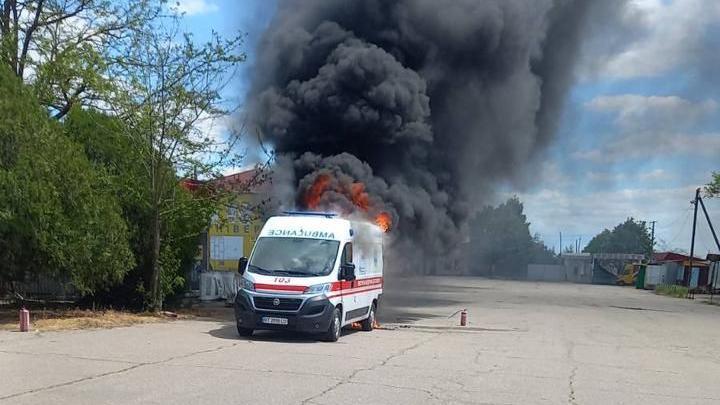
Inna Lytvynenko, a paramedic in Kherson, was chasing a wounded woman when an FPV drone slammed into her ambulance. Within seconds another drone raced towards her, forcing her to sprint, shouting and screaming, as she knew stopping could be fatal.
The attack is part of a new pattern of deliberate drone attacks on healthcare assets. WHO says that strikes on ambulances now account for 20% of all attacks, indicating an intentional strategy to cripple medical response.
The second drone hit the ambulance directly, and further attacks followed, striking two more vehicles carrying the wounded patient. A police car was eventually able to reach the scene after multiple attempted strikes.
In a statement, President Volodymyr Zelenskiy urged Russia to stop what he described as “hunting” attacks on civilians, calling for harsher pressure on the aggressor.
The rising threat to healthcare
Since February 2022, the WHO has recorded 3,118 attacks on healthcare in Ukraine. Attacks have risen 30% in 2024, with a 20% increase in 2023, suggesting a growing, deliberate pattern.
Doctors Without Borders (MSF) reports that Russian forces often target Ukrainian medical facilities, calling these attacks a “sustained feature” of the war, not just a side effect of large-scale offensives.
The danger zone for FPV drones is expanding as both sides develop longer-range drones, forcing health organisations to move services further from the frontline—now beyond 30 km from any conflict zone.
Sustained attacks cut off civilians—particularly the elderly with chronic illnesses—from medical care. Without medication and routine check‑ups, many face a slow death.
Inna Lytvynenko monitors social media for threats, stating, “Every time we take someone to a hospital, we just pray. These drones can appear from anywhere.”