EU Calls for Stronger Borders After Ceuta Surge
Rash Influx Forces Action
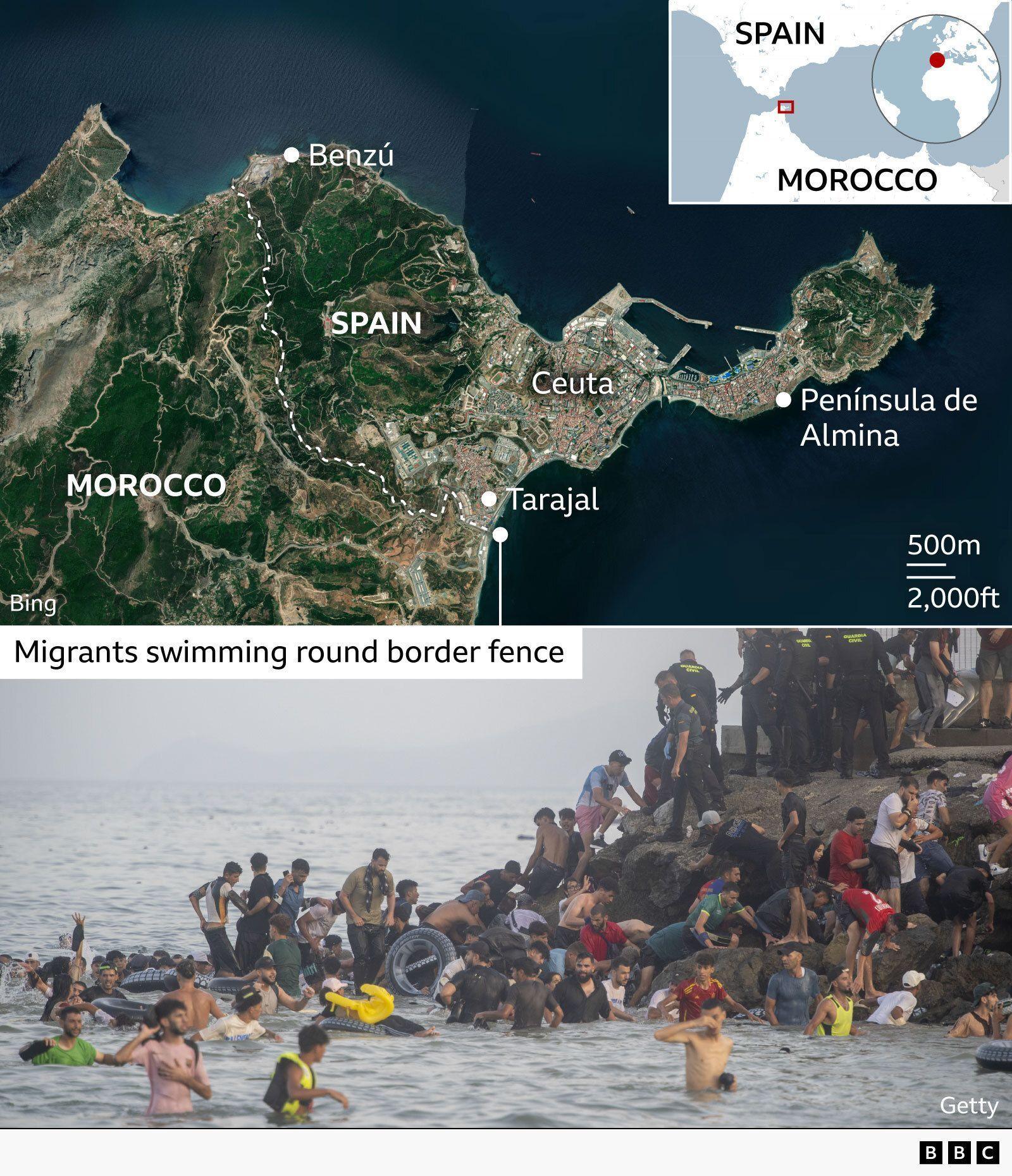
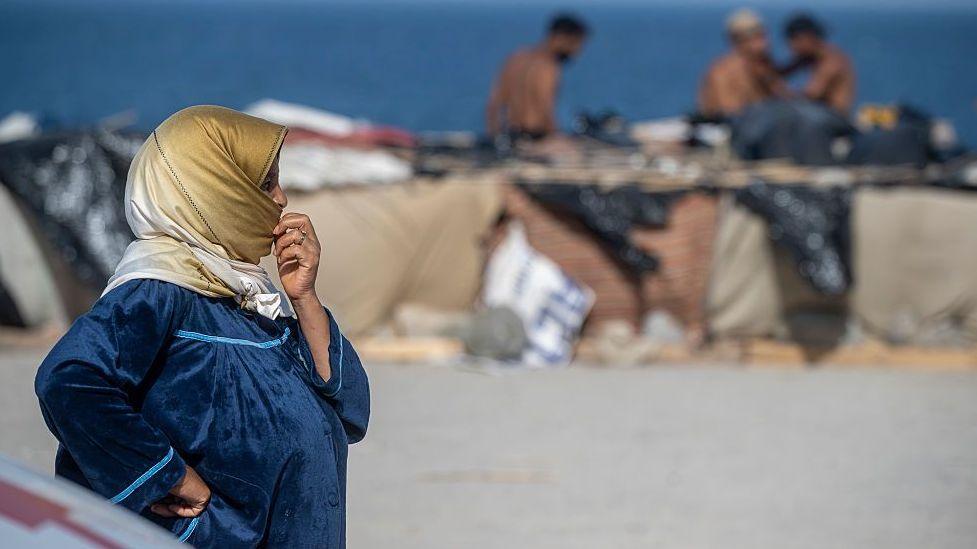
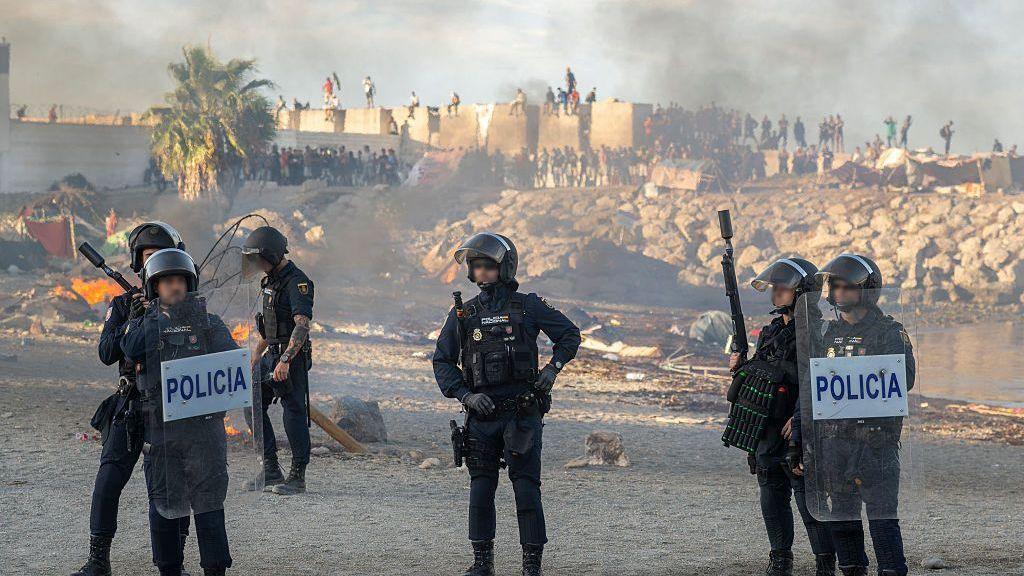
European Commission President Ursula von der Leyen urged a united response to a sudden wave of migrants that crossed Spain’s North‑African exclave, Ceuta, on 30 July, affecting nearly 70,000 arrivals.
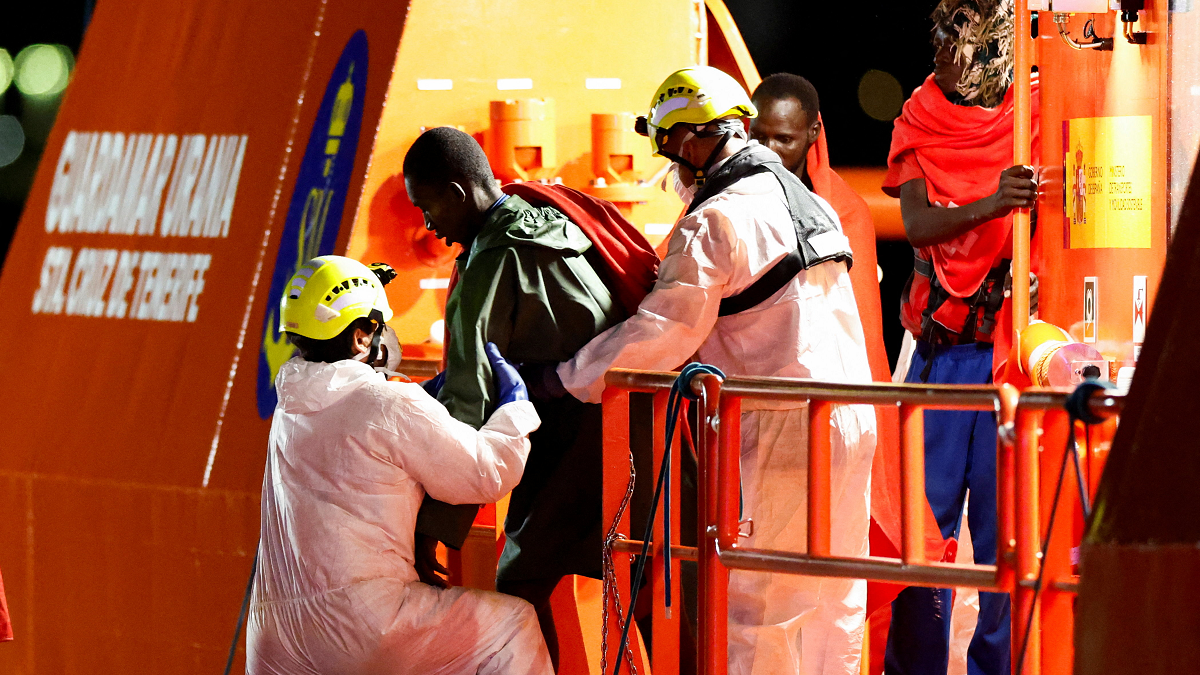
Spain reports that about 69,500 migrants have since returned to Morocco, while the death toll stands at 72 on the Spanish side and 11 on the Moroccan side.
Emergency Talks and Schengen Shake‑up
EU interior ministers will convene on Tuesday by video conference to devise a coordinated strategy. In response, Italy has temporarily suspended the Schengen arrangement with Spain, a move supported by Finland and Denmark, and the Czech Prime Minister has urged a similar pause.
Spanish PM Pedro Sánchez notes that Ceuta does not fall within the Schengen area and accuses fellow EU states of politicising the crisis. He urges European solidarity and cautions against prejudice, fake news, or political interests clouding the discussion.
A Call for New Measures
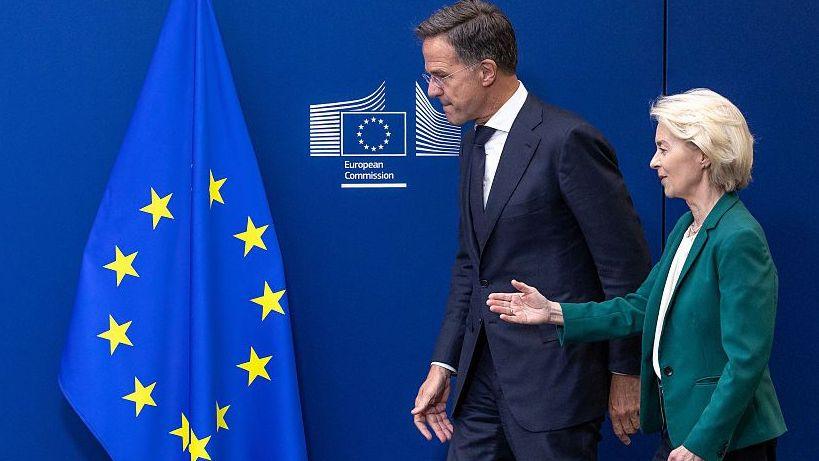
Von der Leyen highlighted five priority areas: preventing irregular migration, strengthening external borders, implementing early‑warning systems, dismantling smuggling networks, and reinforcing returns. She stresses that physical barriers where needed and vigilant monitoring are essential.
The Spanish Interior Minister Fernando Grande‑Marlaska said the situation has nearly returned to normal and is working on an inflatable barrier to block illegal sea crossings.