In brief
In Bunia, the bedrock of Ebola crisis, families practice revised burial rituals. Co‑burial, body‑bag seals and transparent coffins keep loved ones visible yet protected. WHO doctor Julienne Anoko negotiates cultural customs—removing fetuses and adding clear panels—while IFRC volunteers skillfully escort coffins through de‑contaminated routes. The community learns to grieve safely, trusting health workers to balance respect with science. The story underlines that Ebola isn’t only a disease, it’s reshaping lives and customs.
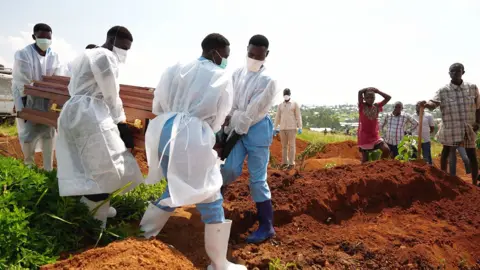
In the city of Bunia, The Ebola outbreak turned the Nyamurongo cemetery into a quiet emergency zone. Joel Lonza Makumbu has visited six times – burying his mother and father, one day after the other, while his family mourns behind thick fences.
Households that once sang and danced around grief now wear masks and follow strict protocols. Bodies are sealed in leak‑proof bags, wrapped in coffins that let mourners see a window of the face they love. IFRC volunteers skid through de‑contaminated routes, collecting the coffin and moving it slowly toward the burial pit.
WHO’s community liaison, Julienne Anoko, spends hours explaining the science behind each step. She reassures people that ancestors have planned. In practice, that means removing fetuses from pregnant women, or giving families a chance to add a clear film to the bodybag so the loved one’s face is visible.
Yet the changes are not punitive. “If the family asks for a special regard that doesn’t risk contagion, we try to accommodate them,” says a 52‑year‑old IFRC volunteer, leaning into the delicate moments of grief.
Back at Nyamurongo, Joel finishes laying fresh soil over his mother’s grave, saying he might have to come again. The story reminds us that Ebola is not an abstract headline – it is a real threat that reshapes mourning, community trust and everyday life.