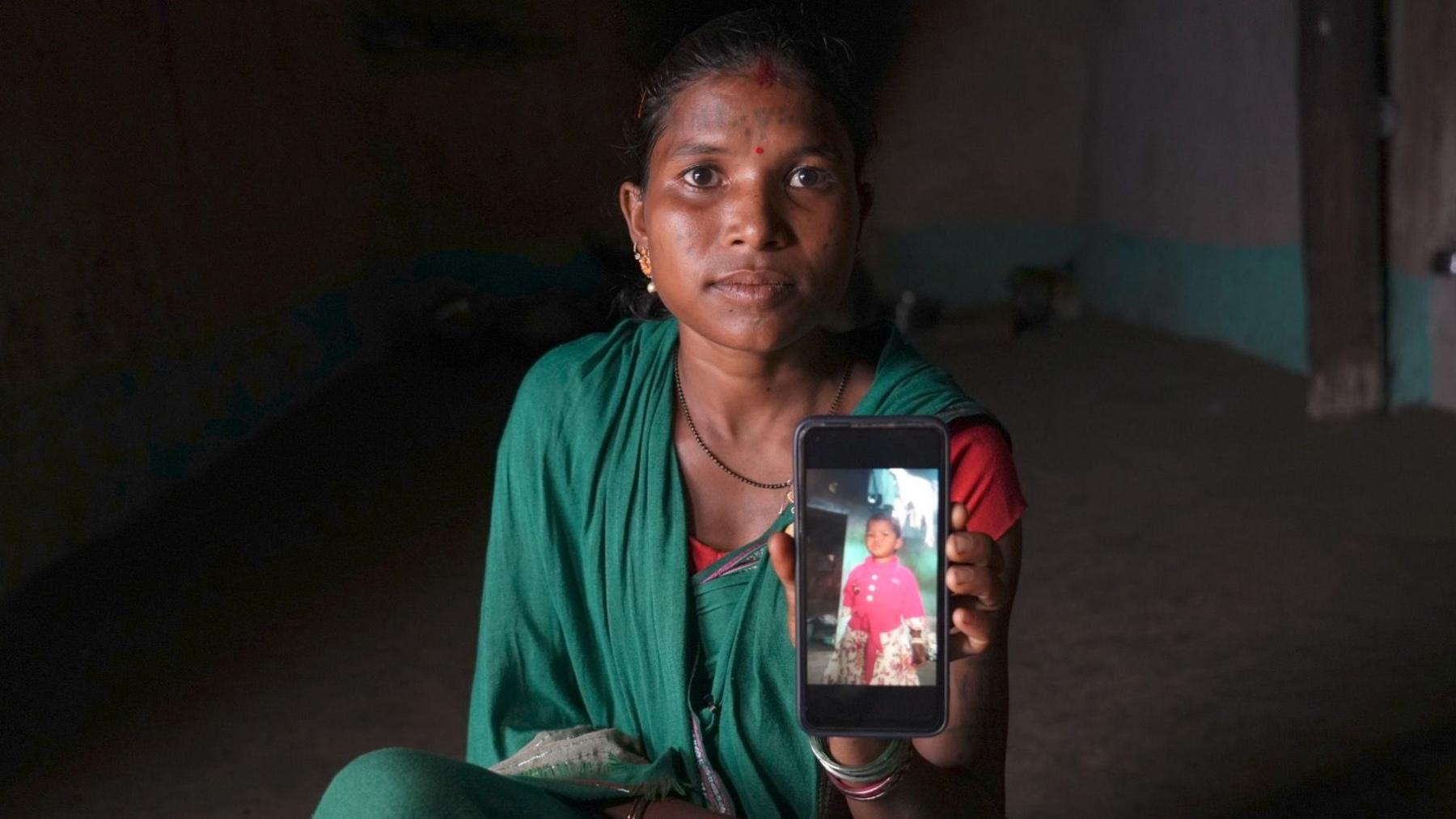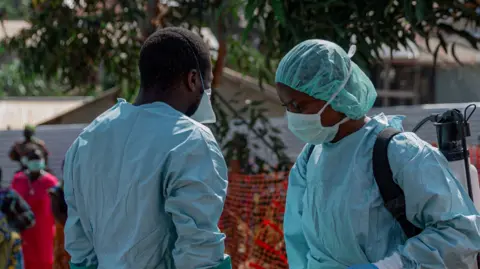
In the province of South Kivu, armed men poured into Wanamahika Hospital in the city of Butembo, a key Ebola treatment centre. They seized a six‑year‑old patient and her mother with thick‑cut knives and carried them away, sparking a frantic search by local health‑officials. Dr Lubambo Maboko Gaston, a senior nurse, said the children had been taken "very angry" men that seemed unfamiliar to them, but the motive remains unclear.
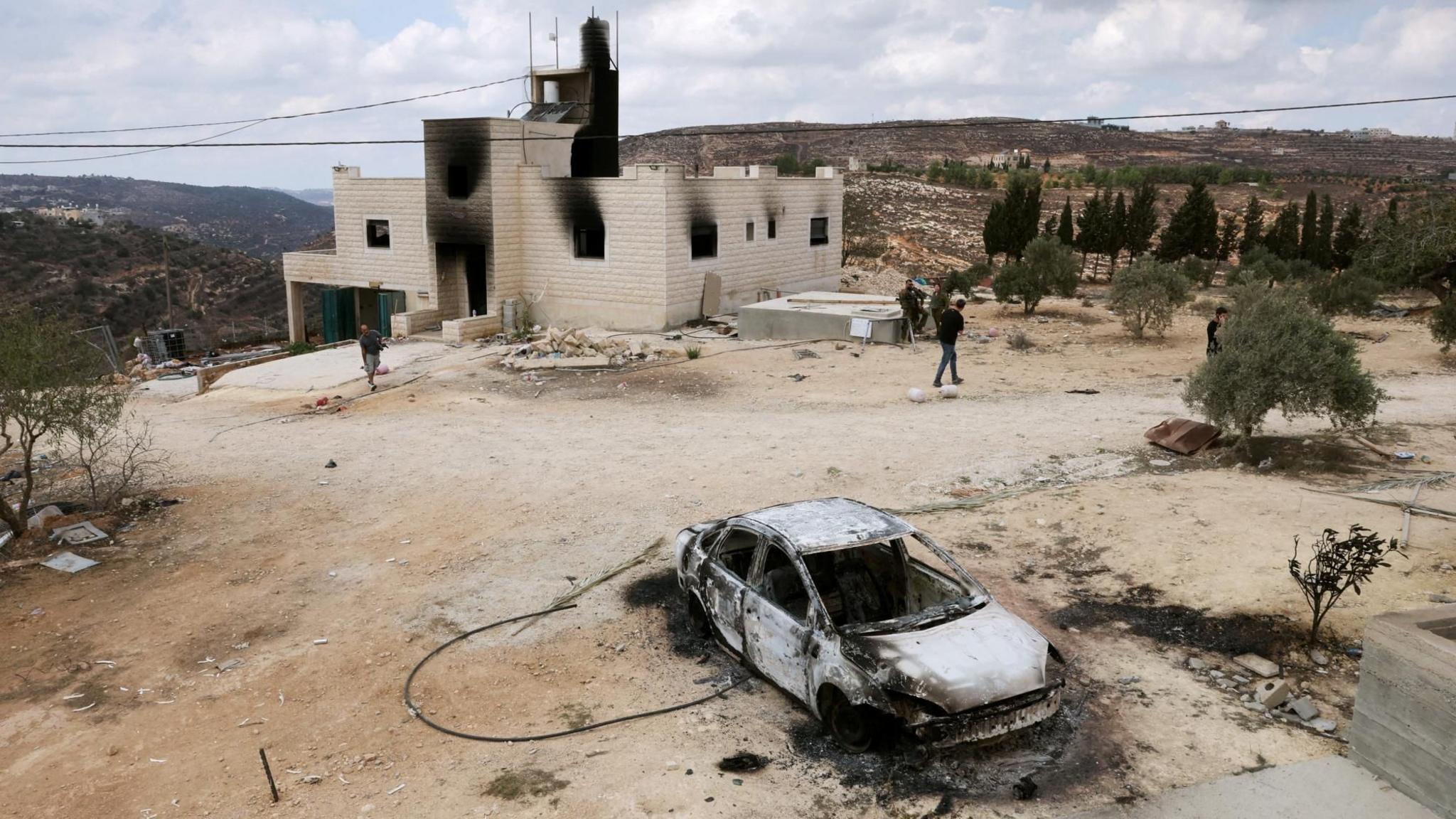
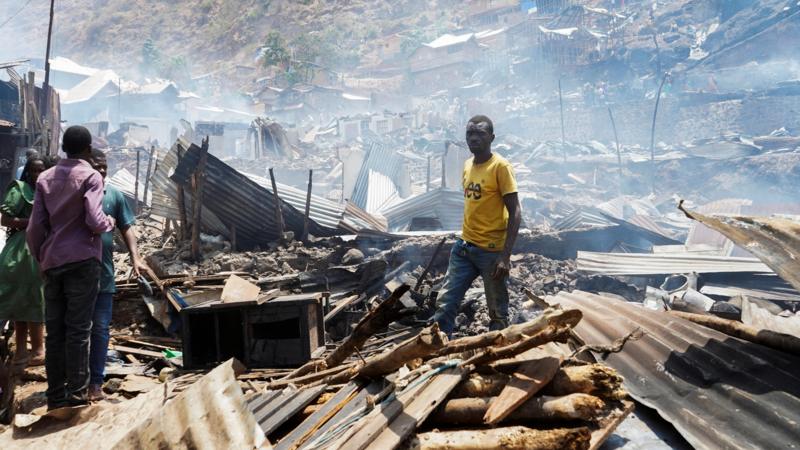
The situation follows a series of attacks on Ebola facilities across the eastern Democratic Republic of Congo, where mobs have set fire to isolation tents, fired shots at police, and even burned down clinics. In 2025, a surge of the Bundibugyo strain – a rare species of Ebola with no vaccine yet – has spiked cases and deaths, stressing an already fragile health system. The WHO says conflict zones, mining activities and mistrust of medical centres are making the outbreak harder to control.
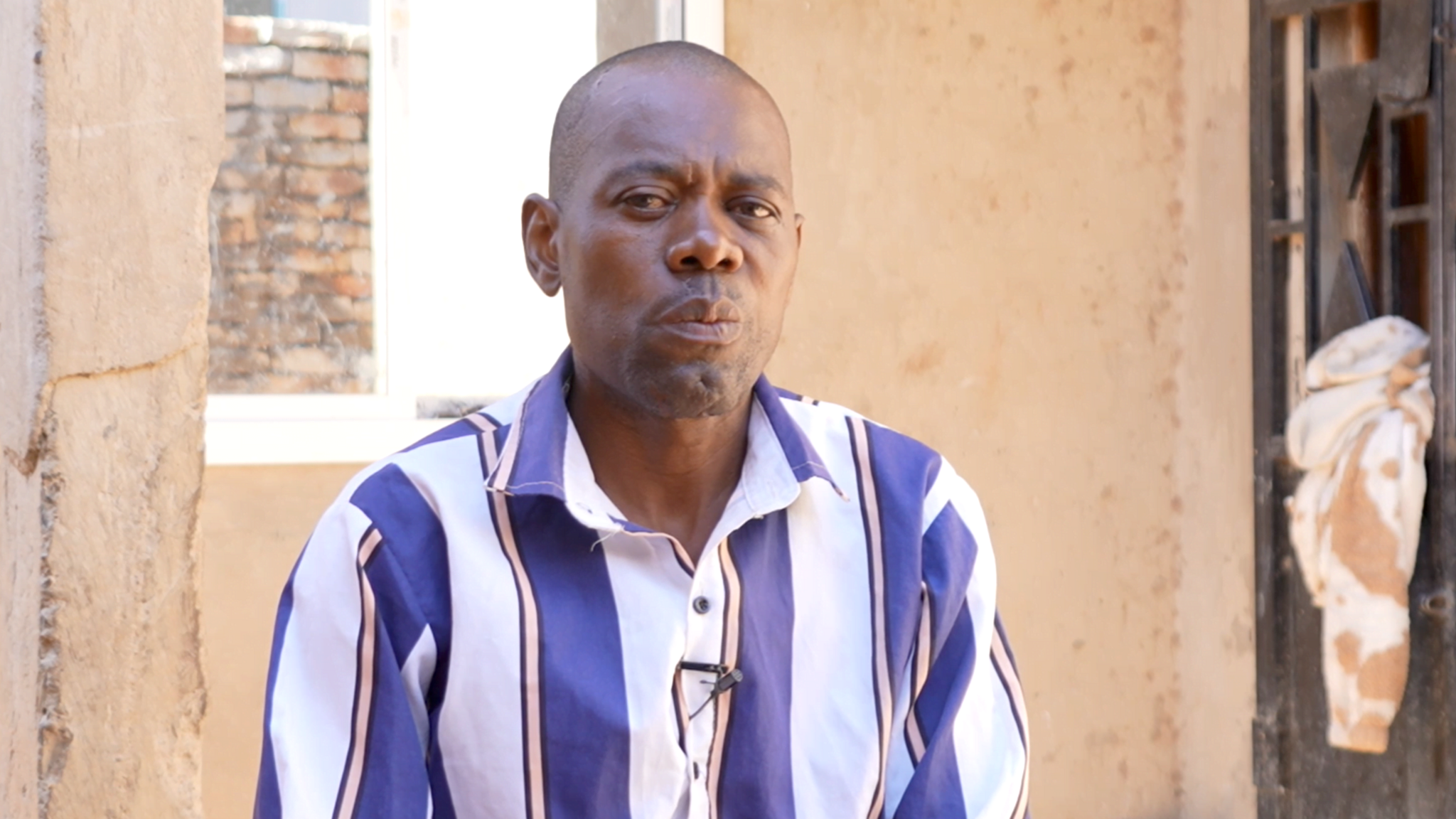
Health workers are calling for better community education. “People believe the illness is a manufactured disease by outsiders, and they fear NGOs may be creating it for profit,” warned local politician Luc Malembe. The fear has turned into violence, jeopardising treatment for those still in the medical facilities and increasing the risk of new infections.
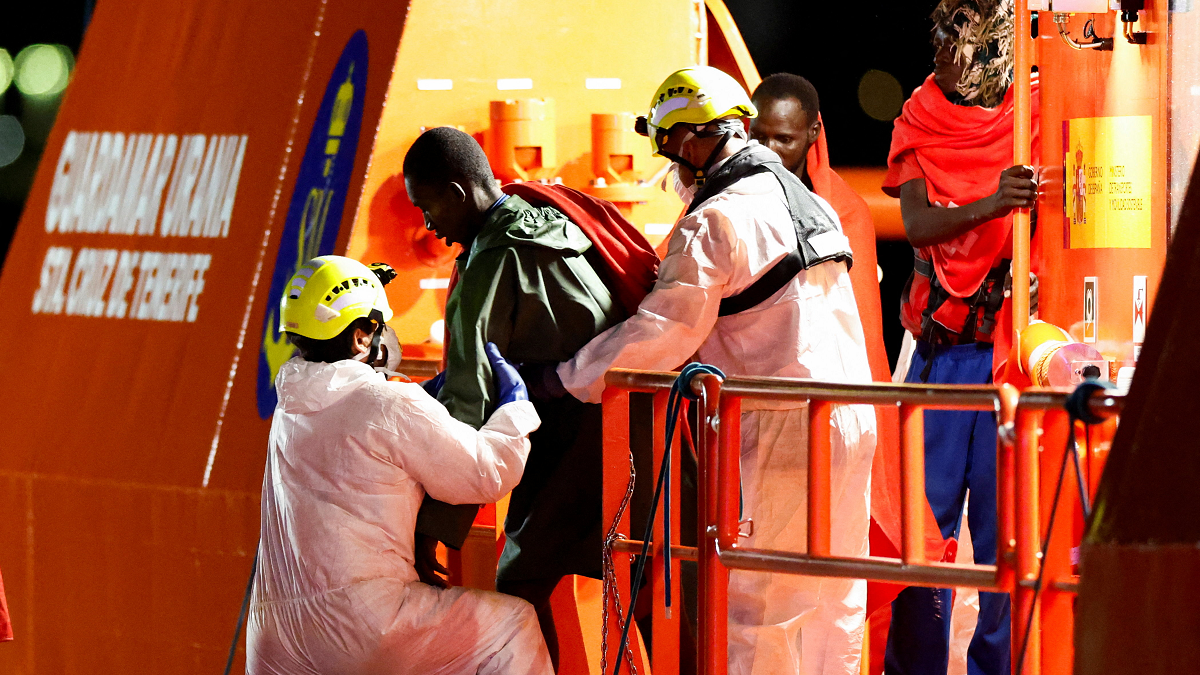
The government is intensifying surveillance and contact tracing, setting up specialised Ebola treatment centres in several towns, and seeking international aid. The WHO has earmarked $3.9 million for response efforts, while Africa CDC announced a $319 million budget. With cases concentrated in Ituri, South Kivu and North Kivu, the outbreak threatens to sweep beyond the current borders unless containment measures are reinforced.
Until now, attacks on treatment centres have frightened patients and buried their families. The search for the missing child is ongoing, and authorities urge anyone with information to come forward. The situation remains tense, as armed groups continue to control parts of the region.