Ebola Outbreak Declared Emergency
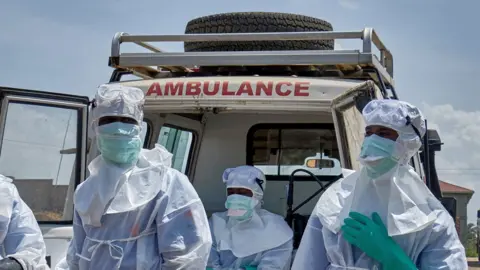
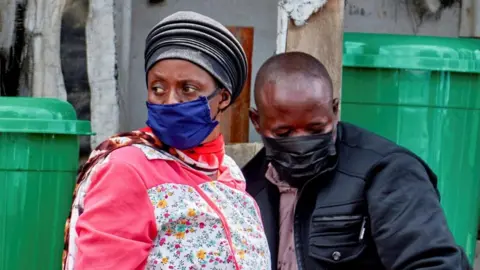
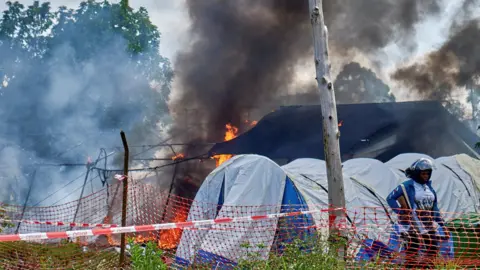
An Ebola outbreak in the Democratic Republic of Congo has been declared a public health emergency of international concern by the World Health Organization (WHO). Addressing this outbreak is particularly challenging due to the unique strain involved and the area's ongoing conflict.
About Ebola
Ebola is a deadly virus that usually infects animals like fruit bats, but can spread to humans through contact. Symptoms appear within two to 21 days and initially mirror flu-like symptoms, later progressing to severe conditions such as organ failure. The virus spreads through bodily fluids like blood or vomit.
What Makes This Outbreak Unique?
This outbreak is caused by the Bundibugyo strain of Ebola, which has not been recorded for over a decade. There’s no vaccine available for Bundibugyo, complicating response efforts.
The Start of the Outbreak
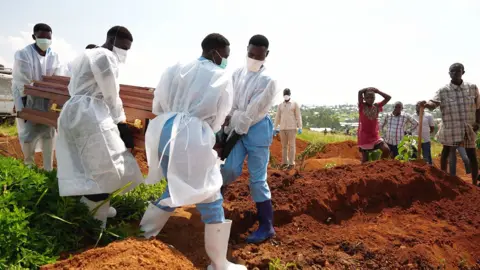
The outbreak is believed to have started when a nurse, who developed symptoms on April 24, died after infecting others, exacerbated by cultural practices surrounding funerals that minimized safety precautions.
Global Response to the Outbreak
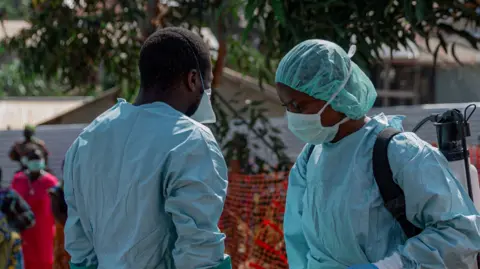
The government and organizations like Médecins Sans Frontières (MSF) are establishing treatment centers and educational campaigns. Residents are advised to report symptoms and avoid contact with infected individuals or animals.
Neighboring Country Responses
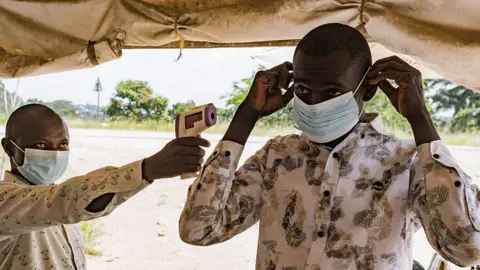
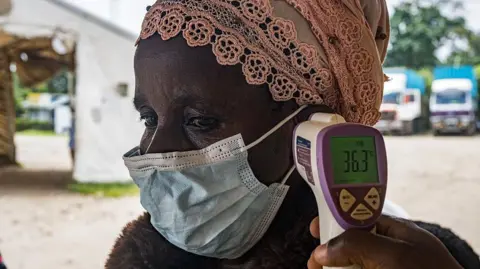
With concerns about cross-border transmission, Rwanda and Uganda have ramped up border controls and screening following confirmed cases in Goma.