In brief
As the WHO reports a rising death toll from the ongoing Ebola outbreak in the Democratic Republic of Congo, officials have indicated that it might be nine months before a vaccine is ready. With over 600 suspected cases and 139 deaths, swift action is crucial, as health facilities are struggling with the surge in cases.
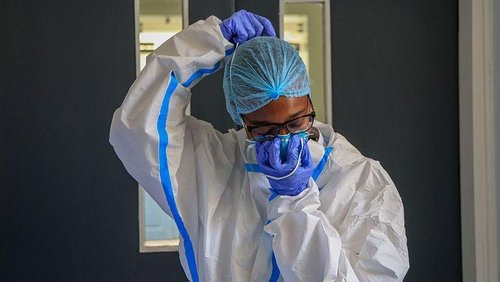
The World Health Organization (WHO) has announced that it could take up to nine months before a new vaccine against a specific type of Ebola is available. Current efforts are focused on two candidate vaccines aimed at combating the Bundibugyo species, although neither has undergone clinical trials yet.As of now, 51 confirmed cases have been reported in the Democratic Republic of Congo, with an alarming total of 600 suspected cases and 139 suspected deaths linked to the outbreak. WHO Chief Dr. Tedros Adhanom Ghebreyesus highlighted that the outbreak is serious but not classified at a pandemic level; however, the risk is deemed high at the national and regional levels.Health care workers in the affected regions are facing considerable challenges, with reports of overwhelmed facilities struggling to provide adequate protection and care. According to Trish Newport from Médecins Sans Frontières, many medical centers have been overwhelmed with suspected Ebola cases asking for help.To further complicate matters, the Bundibugyo strain of Ebola has not been seen for over a decade, making it more challenging to combat. While the WHO is working on a vaccine, there is currently no approved treatment for this strain of Ebola, underscoring the urgent need for progress against the virus. WHO official Dr. Vasee Moorthy indicated that a promising candidate vaccine might take six to nine months to be ready. Given the grave situation, the international community, including the UK government, is mobilizing resources, pledging financial aid to support health workers and enhance disease control capabilities.