Shops, restaurants and cafes in Egypt have been directed to close early as part of a series of temporary measures aimed at combating the surging energy prices spurred by the ongoing situation in Iran. These establishments will now be required to shut down operations by 21:00 local time (19:00 GMT) each night for a month starting Saturday.
In addition to the early closing hours, the Egyptian government has introduced other 'exceptional measures' such as dimming street lights and curtailing roadside advertising. Many employees will also be asked to work from home one day a week in April, while essential workers in hospitals, schools, and factories will be exempt from this requirement.
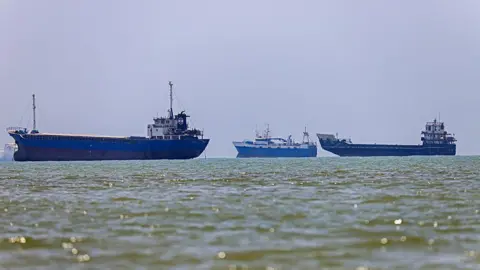
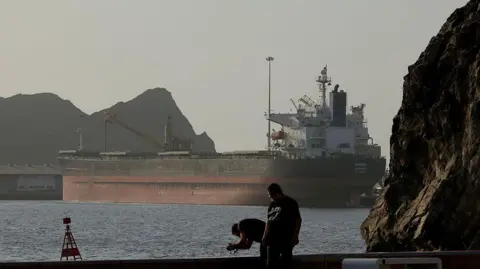
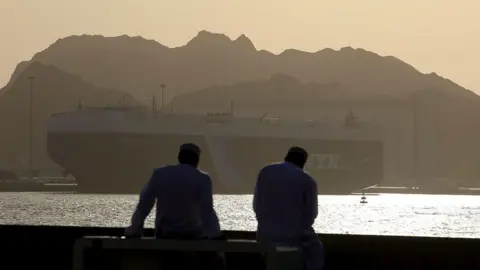
Egypt, despite being uninvolved in the Iran conflict, heavily relies on imported fuel and has been significantly impacted by the disruption in the Strait of Hormuz, a crucial passage for global oil and gas shipments. Following a sharp drop in oil supply, prices have skyrocketed, raising concerns about the potential impacts on food, medicine, and other essential goods.
The economic strain has prompted the Egyptian Prime Minister to reveal that the country's petrol bill has surged from $1.1 billion in January to $2.5 billion in March. To help alleviate the financial burden, Egypt has also raised public transport fares and halted large energy-heavy state projects while cutting government vehicle fuel allowances.
Tourism, a vital part of Egypt's economy, will not be affected by these energy-saving measures, although some local hotels have prepared their own generators to ensure service continuity during potential power cuts. Authorities are keeping an eye on the ongoing global situation, which continues to influence local markets and energy needs.
In addition to the early closing hours, the Egyptian government has introduced other 'exceptional measures' such as dimming street lights and curtailing roadside advertising. Many employees will also be asked to work from home one day a week in April, while essential workers in hospitals, schools, and factories will be exempt from this requirement.
Egypt, despite being uninvolved in the Iran conflict, heavily relies on imported fuel and has been significantly impacted by the disruption in the Strait of Hormuz, a crucial passage for global oil and gas shipments. Following a sharp drop in oil supply, prices have skyrocketed, raising concerns about the potential impacts on food, medicine, and other essential goods.
The economic strain has prompted the Egyptian Prime Minister to reveal that the country's petrol bill has surged from $1.1 billion in January to $2.5 billion in March. To help alleviate the financial burden, Egypt has also raised public transport fares and halted large energy-heavy state projects while cutting government vehicle fuel allowances.
Tourism, a vital part of Egypt's economy, will not be affected by these energy-saving measures, although some local hotels have prepared their own generators to ensure service continuity during potential power cuts. Authorities are keeping an eye on the ongoing global situation, which continues to influence local markets and energy needs.