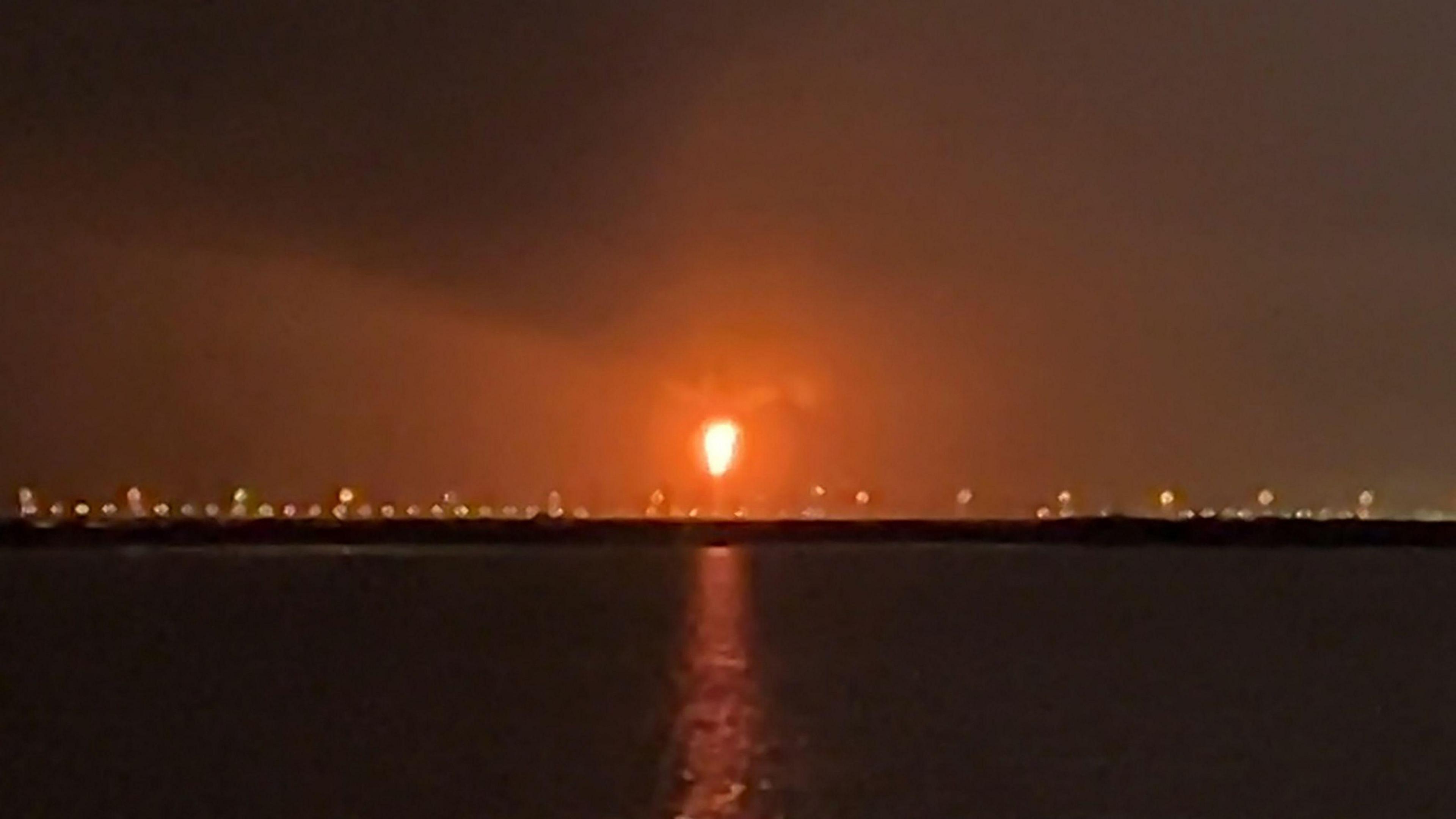
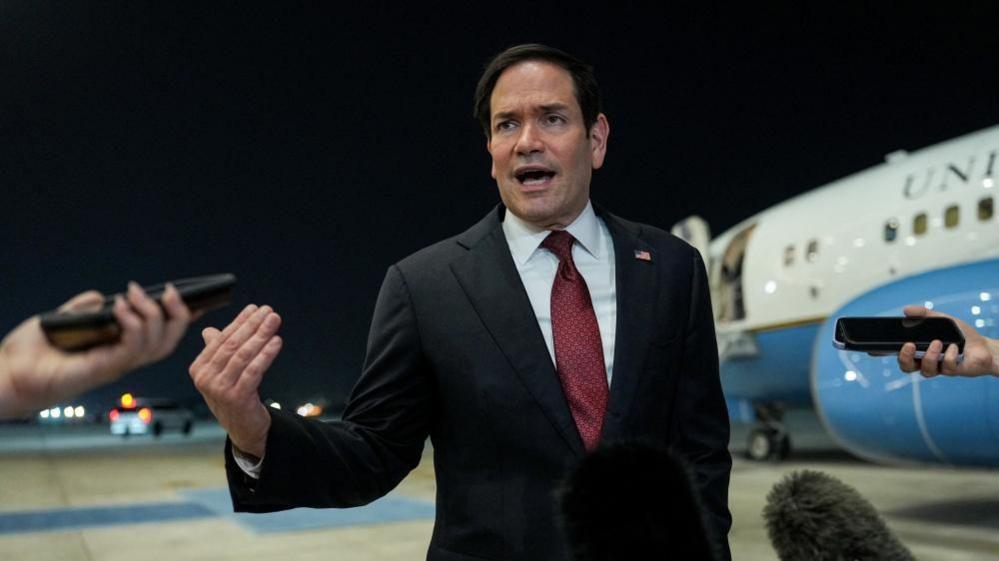
The knock-on effects of the conflict now whipping through the Middle East are awakening ghosts of crises past that shook the European Union. Seven months into Russia's full-scale invasion of Ukraine, the President of the European Commission accused Russia of manipulating the EU's energy market. Ursula von der Leyen declared: 'This is a war on our energy, a war on our economy, a war on our values and a war on our future.' Fast forward four years and deep energy-linked frustration is evident in Europe again. A European diplomat voiced, 'We swore we'd learn. We promised things would change but here we are.' The focus now is on Europe's new energy shock, triggered by the Middle Eastern conflict, dominating an upcoming summit of European leaders. As energy prices soar, European governments are scrambling for short-term solutions to appease restless voters. With a shift in energy dependency, Europe is heavily reliant on Norway and U.S. LNG, leaving it vulnerable to global market volatility, further complicating its energy security strategy amidst ongoing crises.
Europe Faces Another Energy Crisis Amid Middle East Turmoil
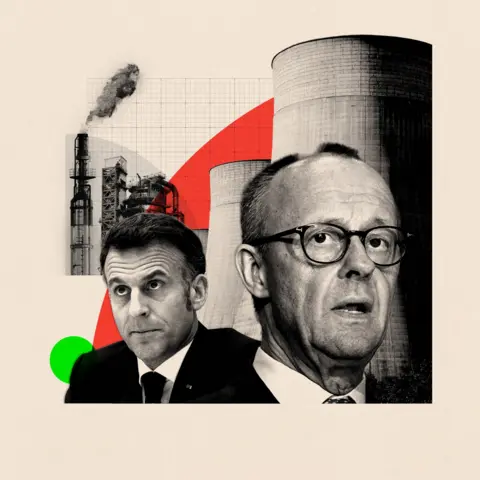
Europe Faces Another Energy Crisis Amid Middle East Turmoil
As conflict escalates in the Middle East, Europe grapples with rising energy prices and dependency on external suppliers. Can the continent navigate out of this turmoil once again?
The ongoing conflict in the Middle East mirrors previous energy crises Europe faced in the wake of Russia's invasion of Ukraine. With energy prices soaring and renewed reliance on U.S. liquefied natural gas (LNG), European leaders express frustration and urgency as they convene in Brussels to seek immediate and long-term solutions. Despite moves to reduce dependency on Russian energy, Europe finds itself in a precarious position, raising questions about sustainable energy security moving forward.