Europe’s Fiery Battle: Massive Wildfires Threaten 300,000 Lives
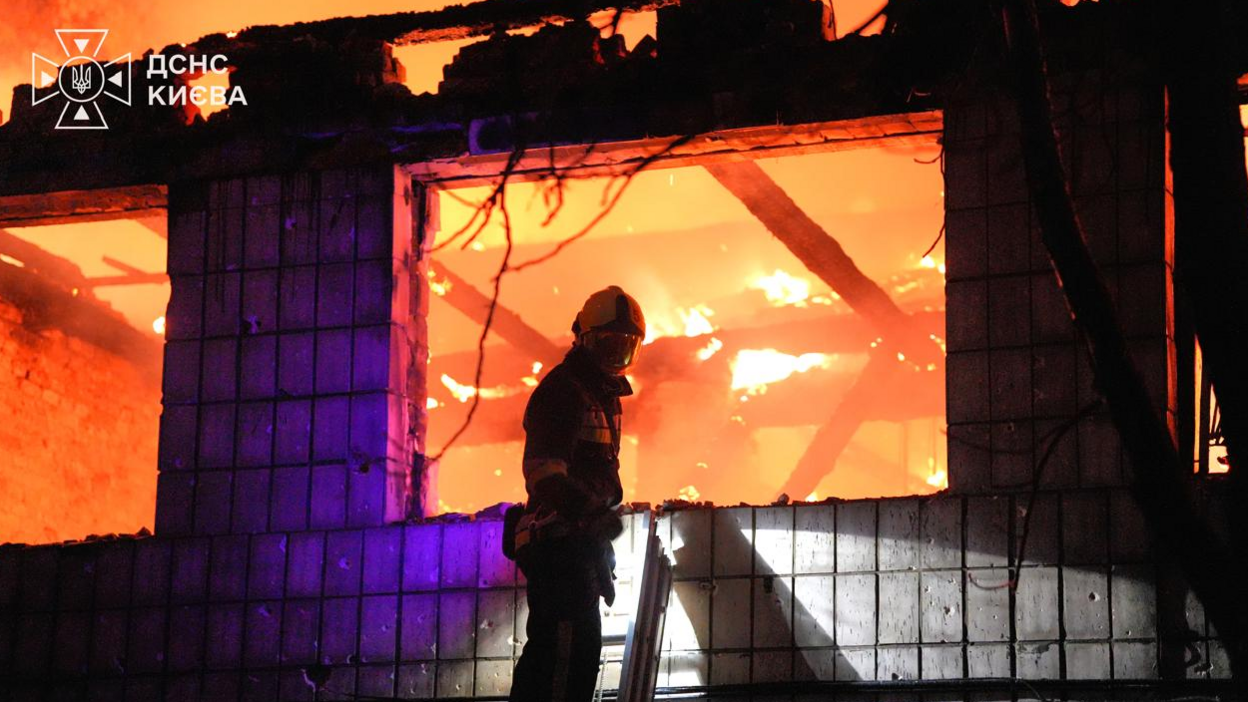
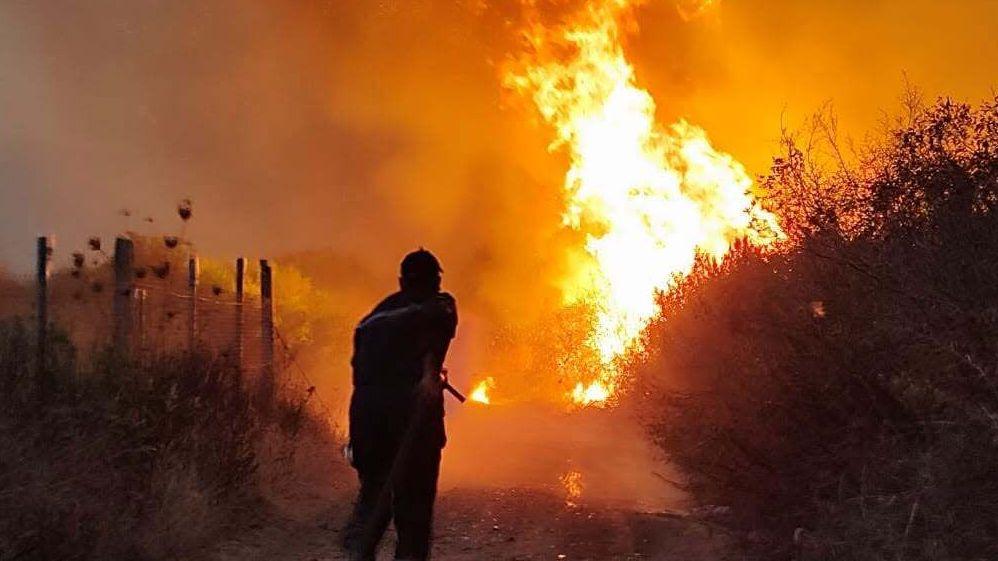
The heat of July is scorching every corner of Europe, and the result is a spiral of wildfires in France and Spain. Over 300,000 residents have fled the flames, making it the largest evacuation in a single summer for the region.
In Bordeaux’s wine country, a blaze has burned more than 162 square miles—about four times the size of Paris—within four days. The fire crept 15 kilometres to the south of the city by Thursday, leaving a blackened patch behind. Meanwhile, Madrid’s fire‑fighters report the blazes as the most destructive and widespread ever in their region.
The fire‑storms are a product of relentless heatwaves, with temperatures frequently topping 40 degrees Celsius. The extreme heat creates air currents that let the flames rise into the sky, forming cloud‑like thunderheads that can spark lightning and unleash new spots of fire.
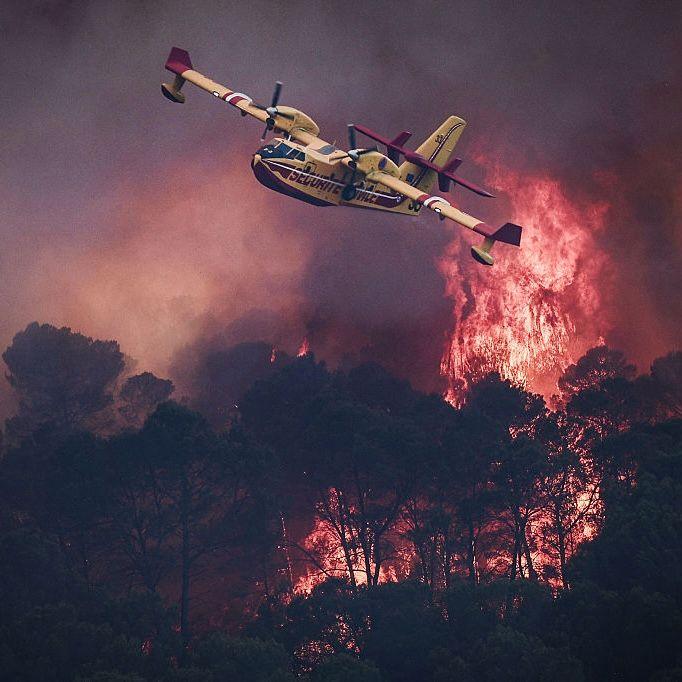
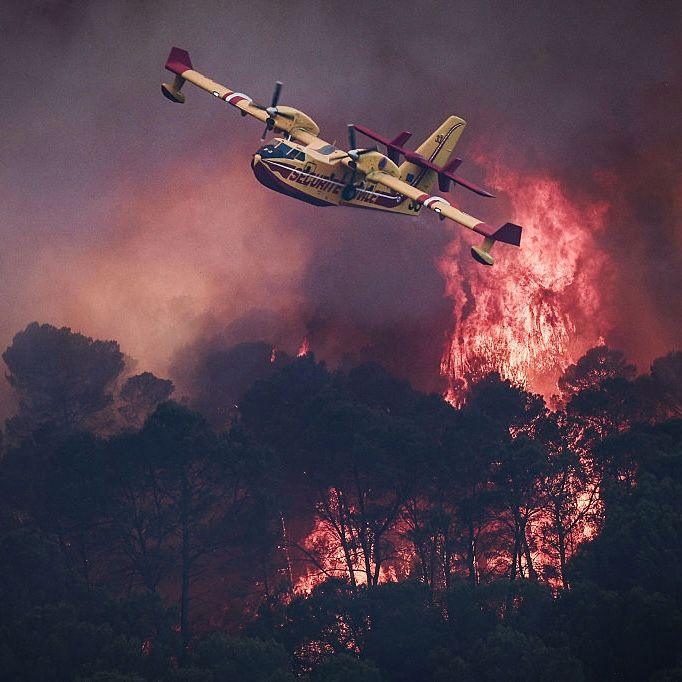
To beat the heat, firefighters are deploying a fleet of specialized aircraft. These include Canadair planes that scoop 6,000 litres of water in 12 seconds, and jets that glide over the blaze, dropping fire‑retardant strips that create a buffer zone around the front. Ground crews, standing on the edges, man hoses and use bulldozers to carve wide firebreaks free of vegetation.
Hundreds of personnel—2,500 firefighters, 1,500 military members, and 1,200 police—are guarding the lines. Even as efforts ramp up, forecasters warn the next week could see stubborn dry, hot blocks that will stall containment and enable flames to spread unchecked.
Scientists say that the growing frequency of such fires is tied to climate change, which dries forests and uppers the gap between heat and moisture. The fires in France and Spain set a stark reminder that as the planet swelters, newer, faster‑moving fire fronts are a grim reality.