In brief
Former Congolese president Joseph Kabila has been named leader of the Front for the Refoundation of the Nation (FRN), a coalition that plans to oust President Félix Tshisekedi. The move is signalled by a press conference in Goma, echoing Kabila’s criticisms of the government over policy and economic mismanagement. Key M23 rebel leader Sultani Makenga will serve as a deputy, indicating a merging of forces. With more than 100 militias active in eastern DR Congo, the conflict threatens regional stability and could delay upcoming elections. The alliance’s emergence marks a renewed intensity in Congo’s political turmoil.
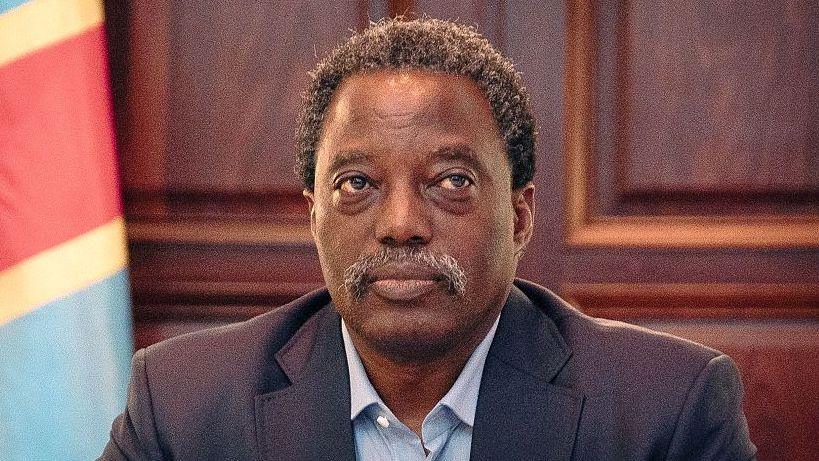
Joseph Kabila, the former president who ruled DR Congo from 2001 to 2019, has been named the head of the Front for the Refoundation of the Nation (FRN), a coalition that vows to topple President Félix Tshisekedi and end the country’s long‑standing “tyranny”.
The announcement came at a press conference in Goma, a city held by the M23 rebels – a militia that has fought for control of mineral rich eastern Congo for years. Kabila’s move marks the first clear evidence that he is now front‑line in an armed struggle.
In a speech, Kabila criticised Tshisekedi’s government for ignoring his proposals, mismanaging the economy, and eroding the rule of law. He also warned that elections scheduled for 2028 might be delayed or cancelled because of the conflict.
Key fighters in the FRN include Sultani Makenga, the commander of the M23 army, who will serve as one of Kabila’s deputies. The coalition also draws men and women from the AFC‑M23 alliance.
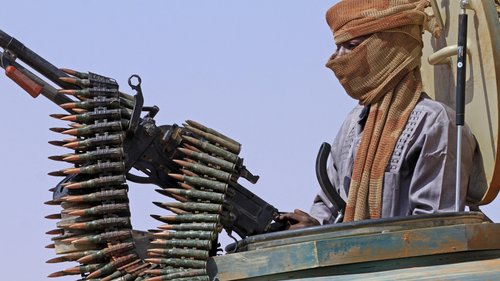
The formation of FRN comes at a dangerous juncture, with more than 100 militia groups active in eastern Congo, each vying for resources and influence. The country’s political landscape is on the brink, as opposition figures push for constitutional limits to be respected while the military remains entrenched.
For now, the world watches as a former head of state steps back onto the battlefield. The conflict’s outcome could reshape Congo’s future and set the tone for regional stability.
Stay tuned for updates on BBC Africa.